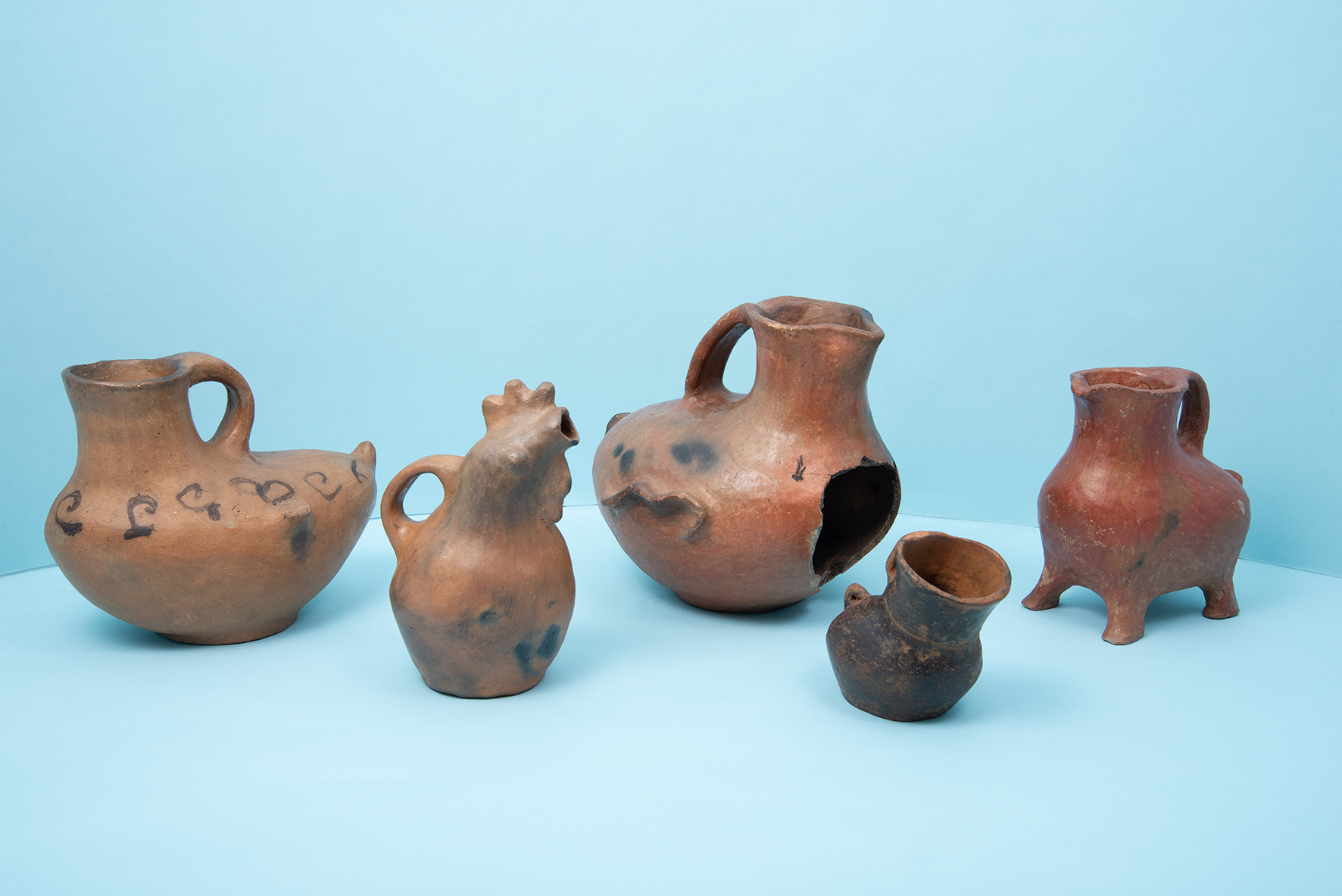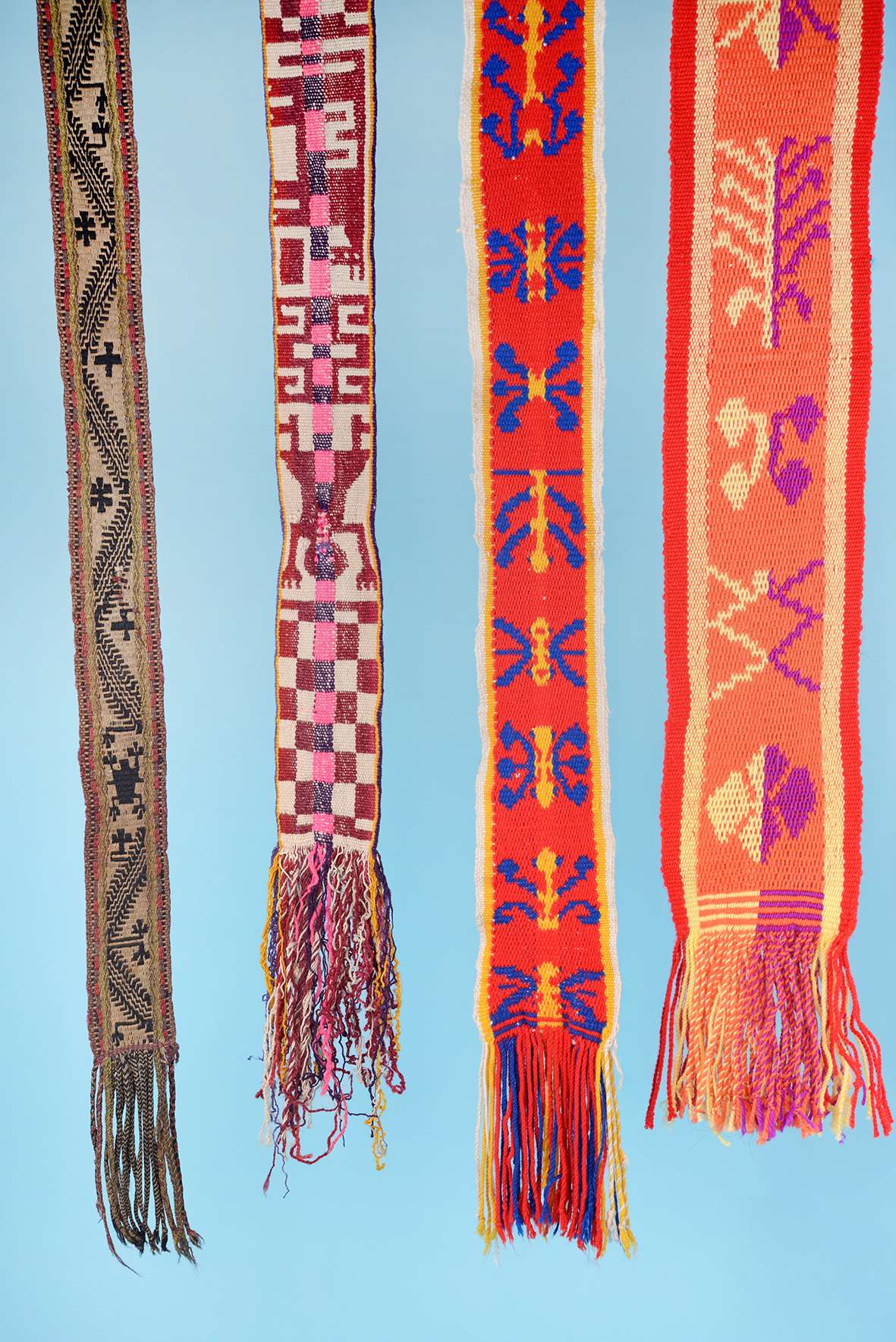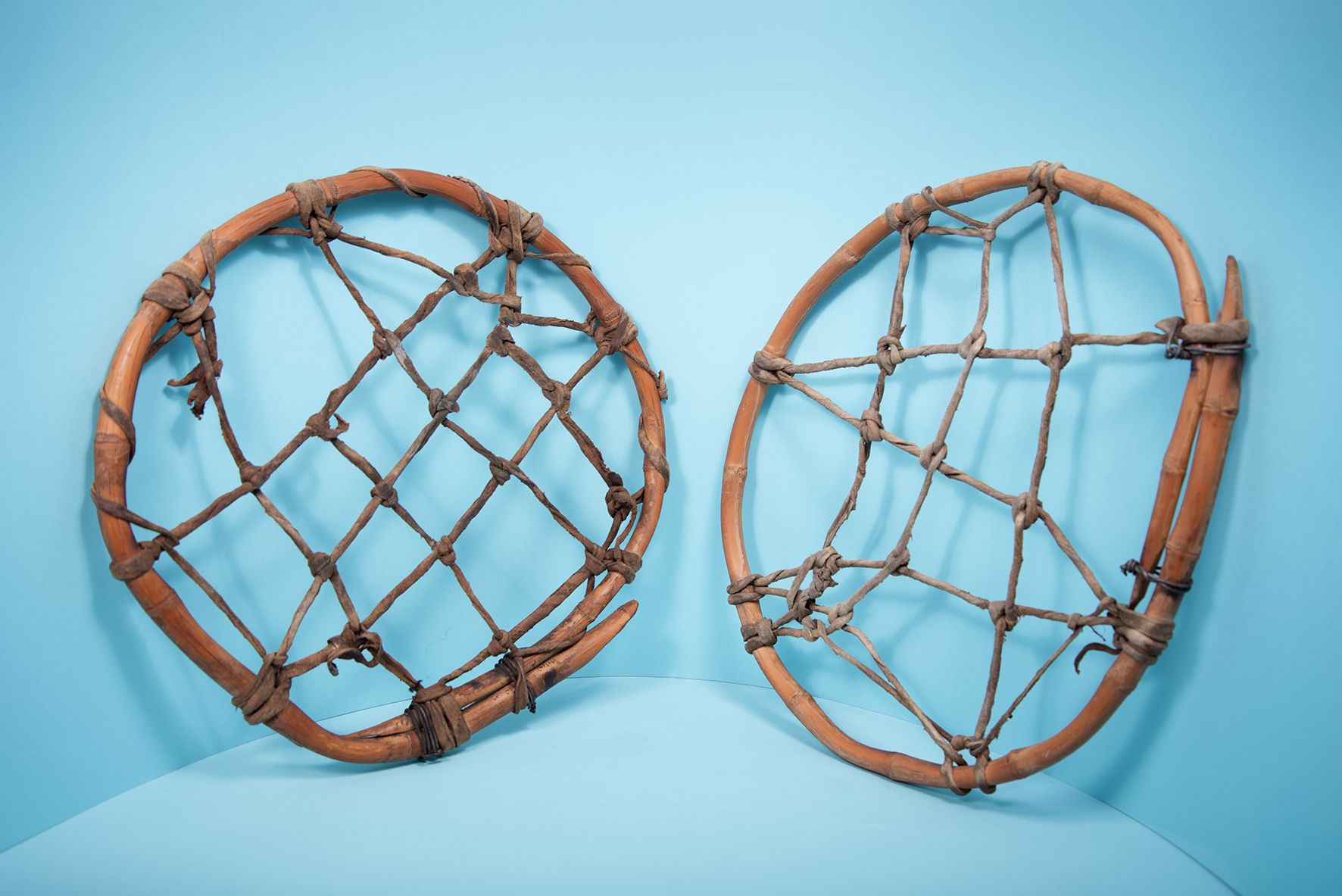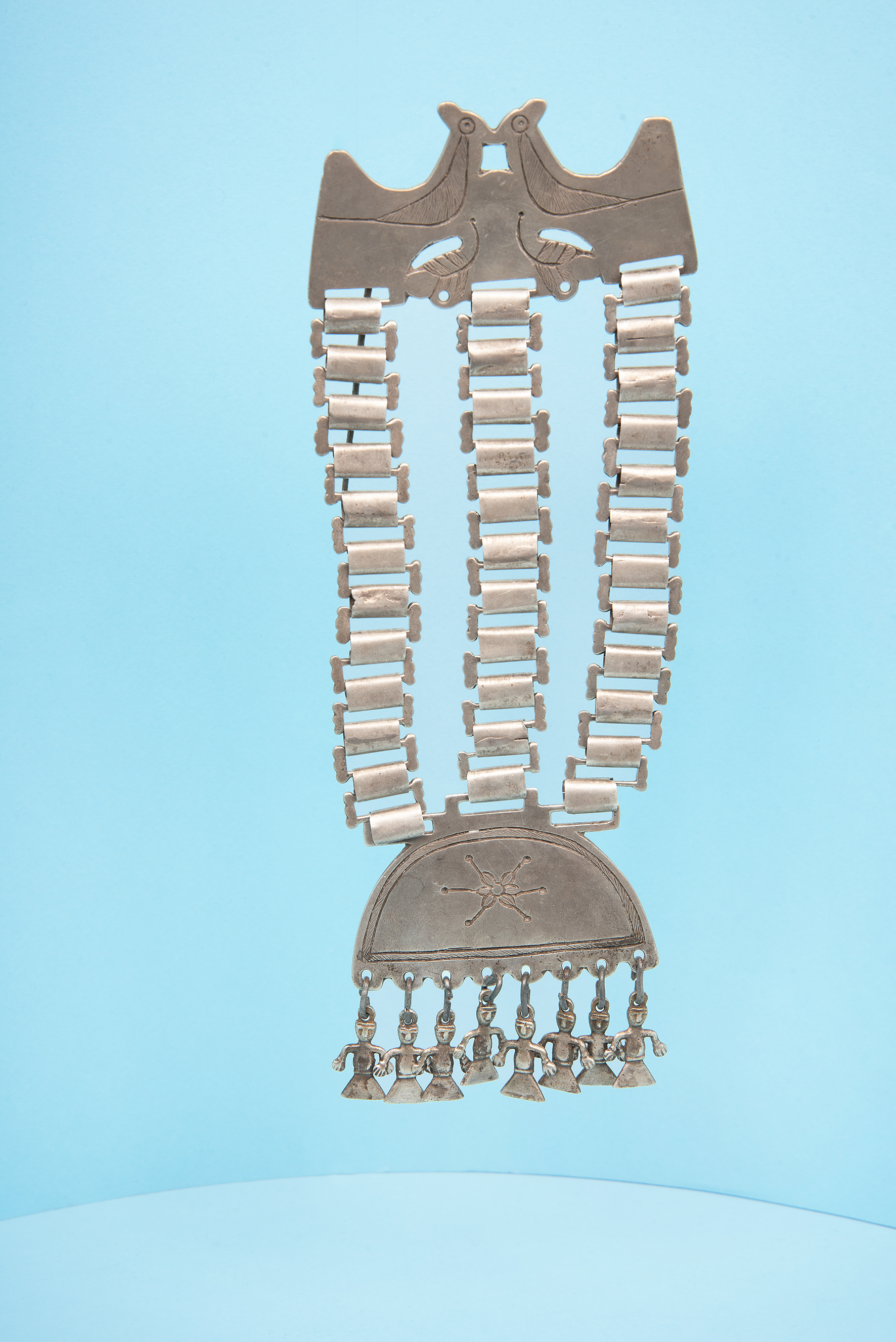

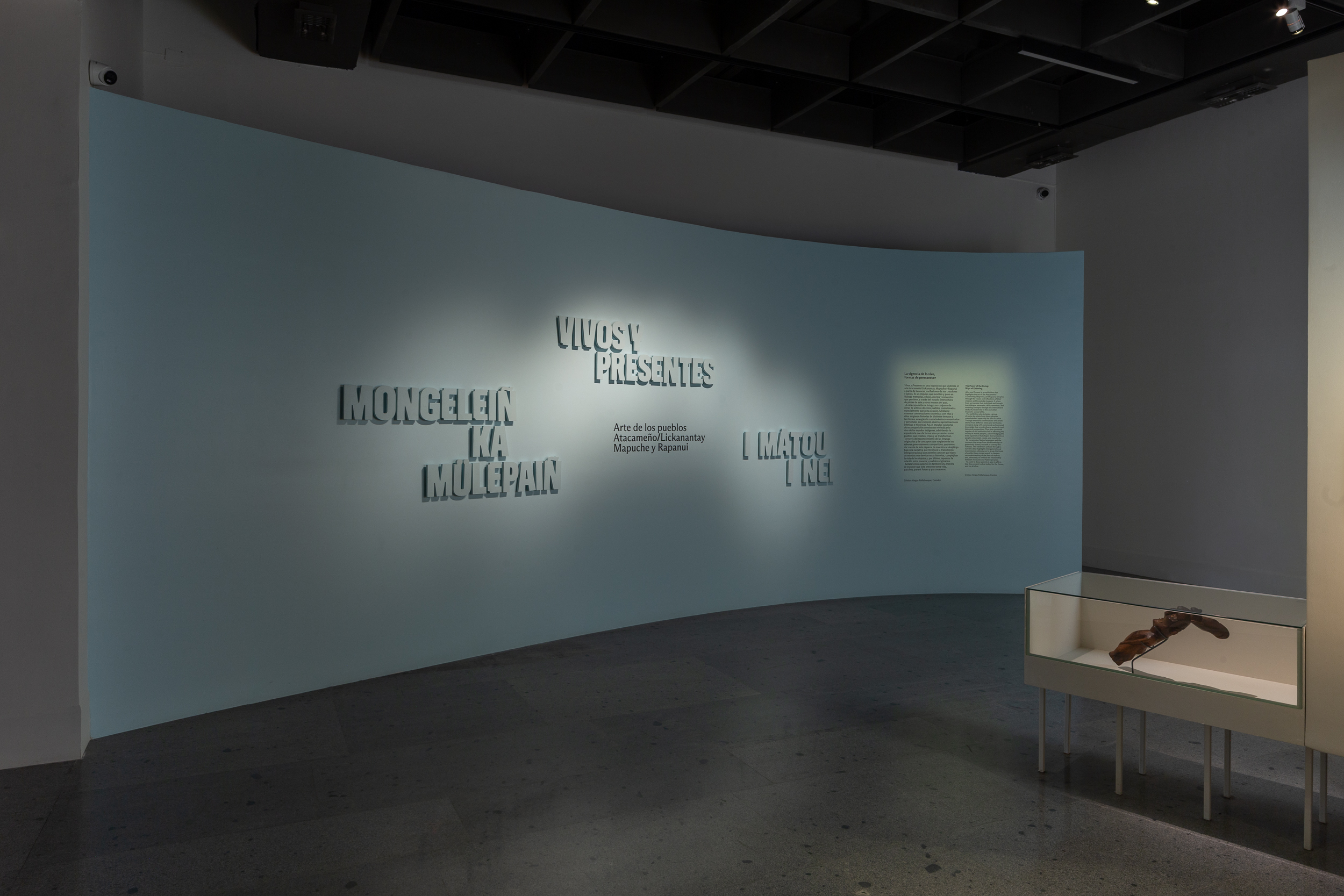
Alive and Present

Art of the Atacameño/Lickanantay,

Mapuche and Rapanui peoples

Introduction

Who Speaks in a Museum?

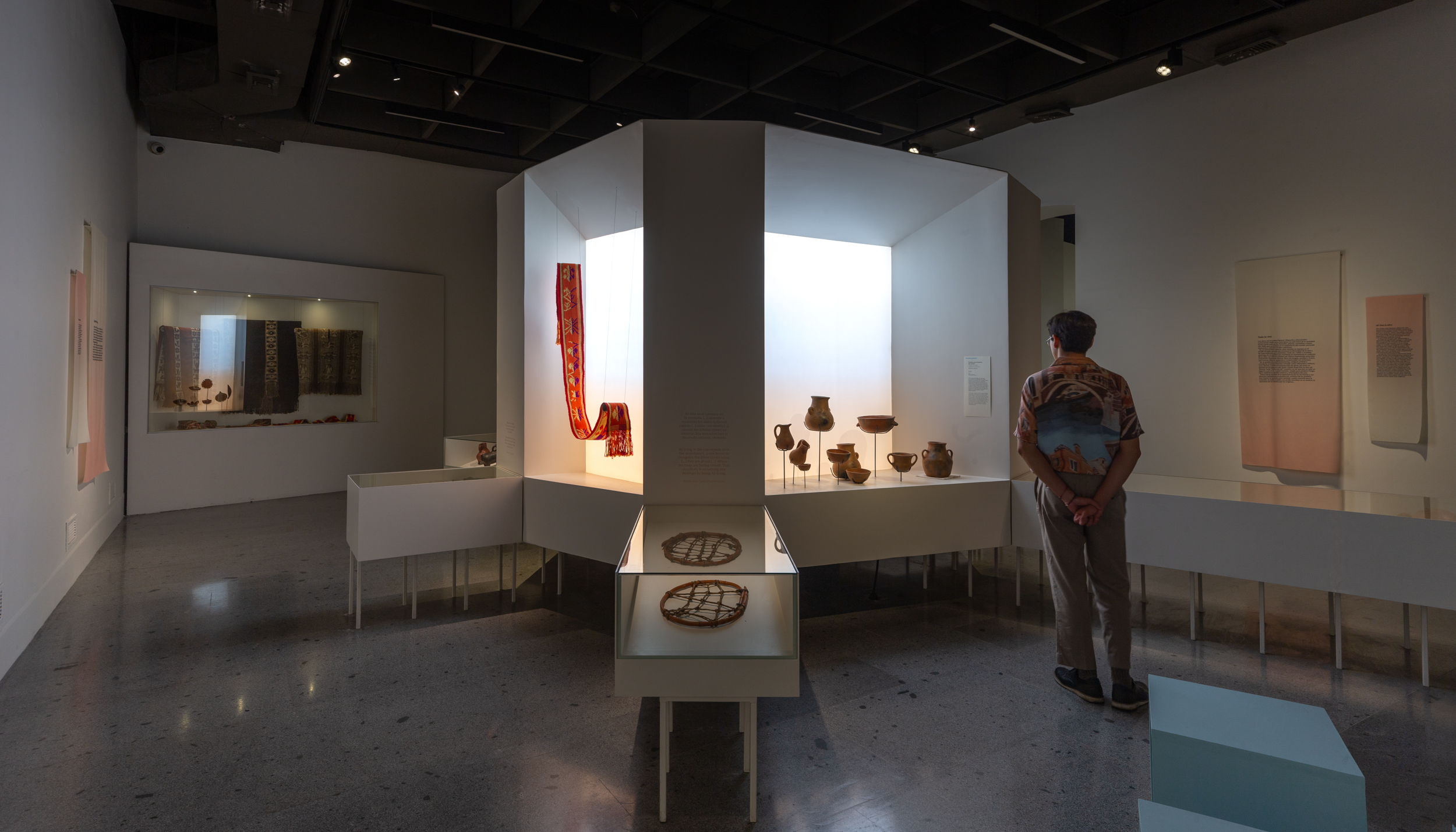
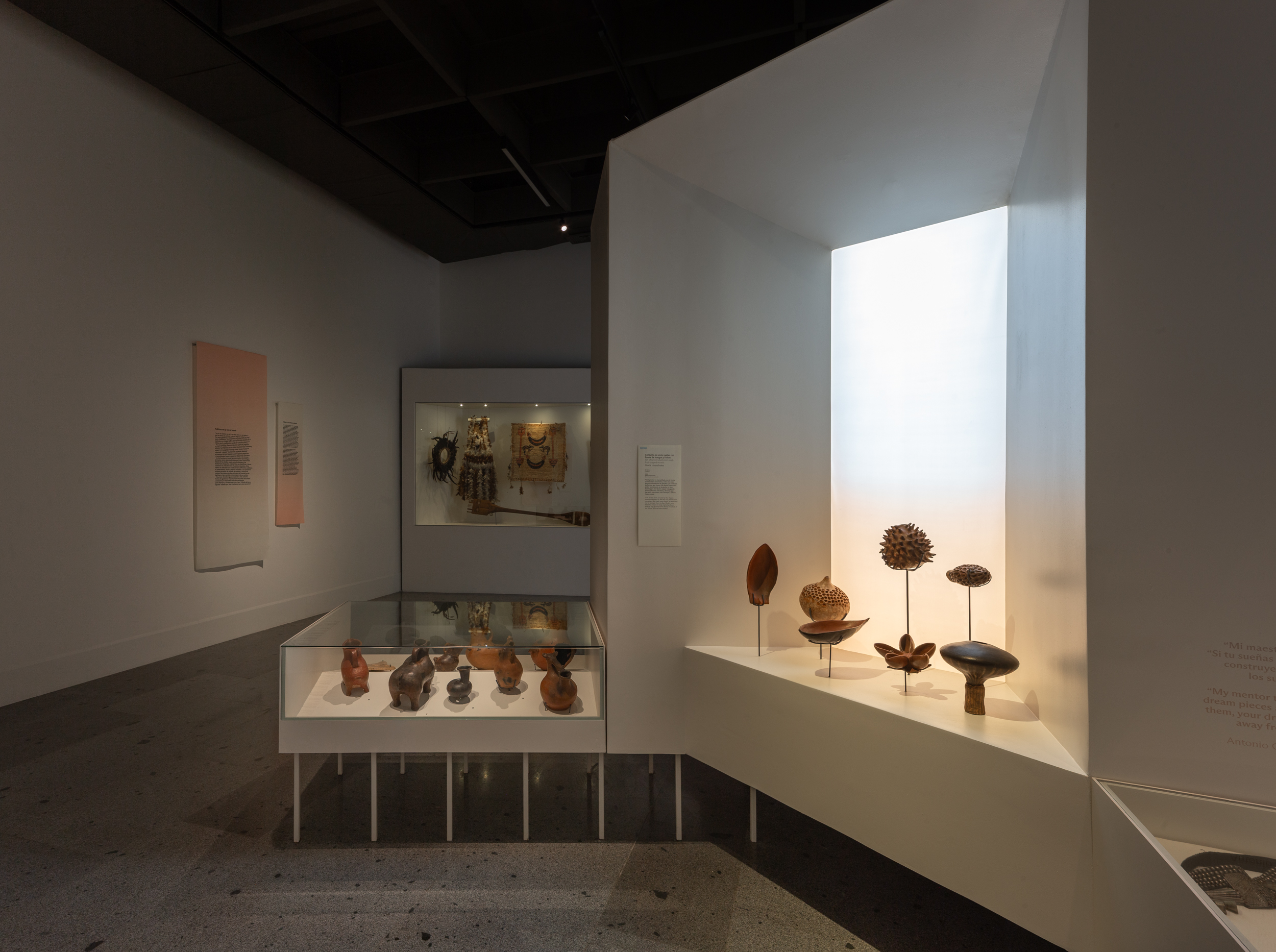
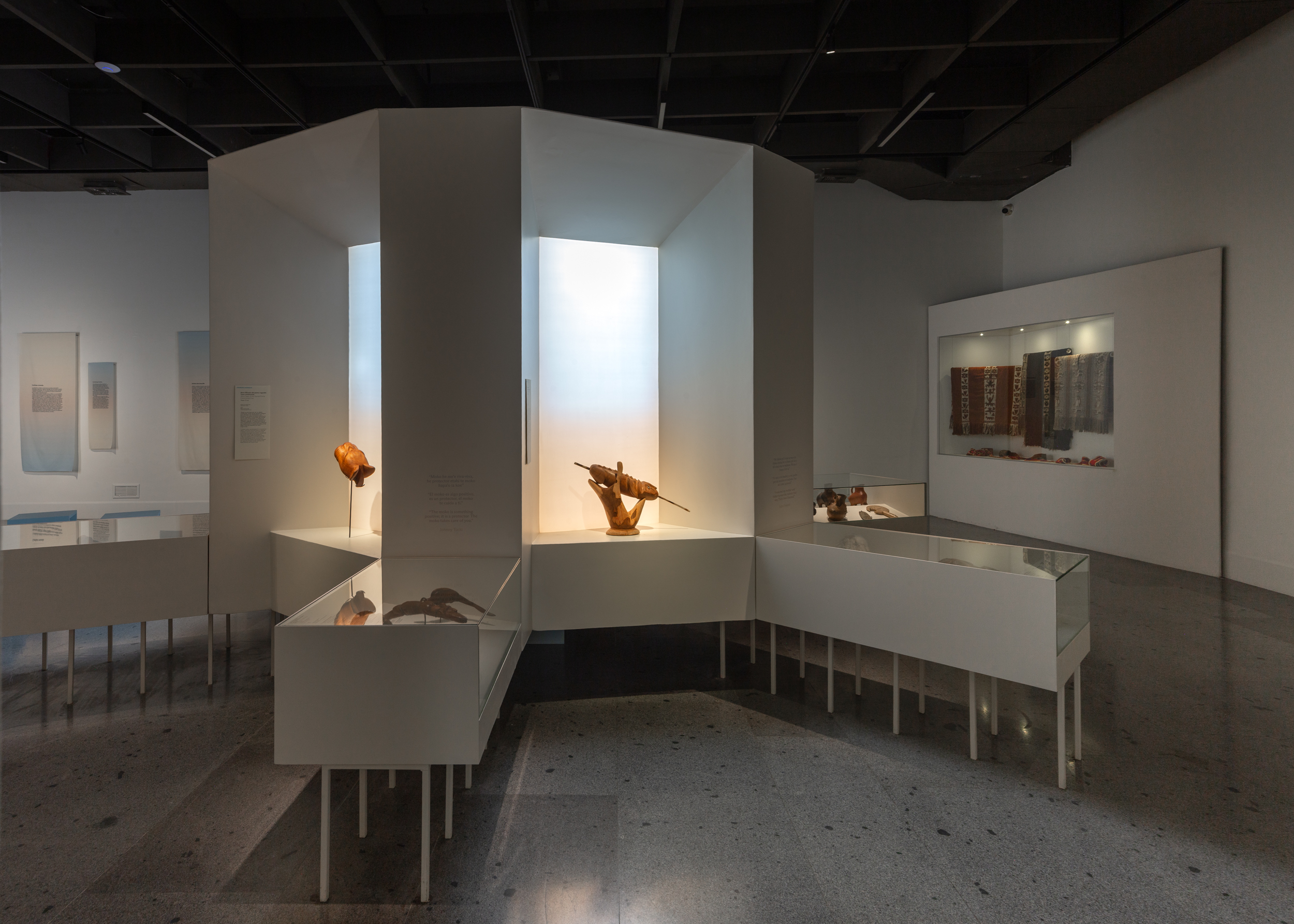
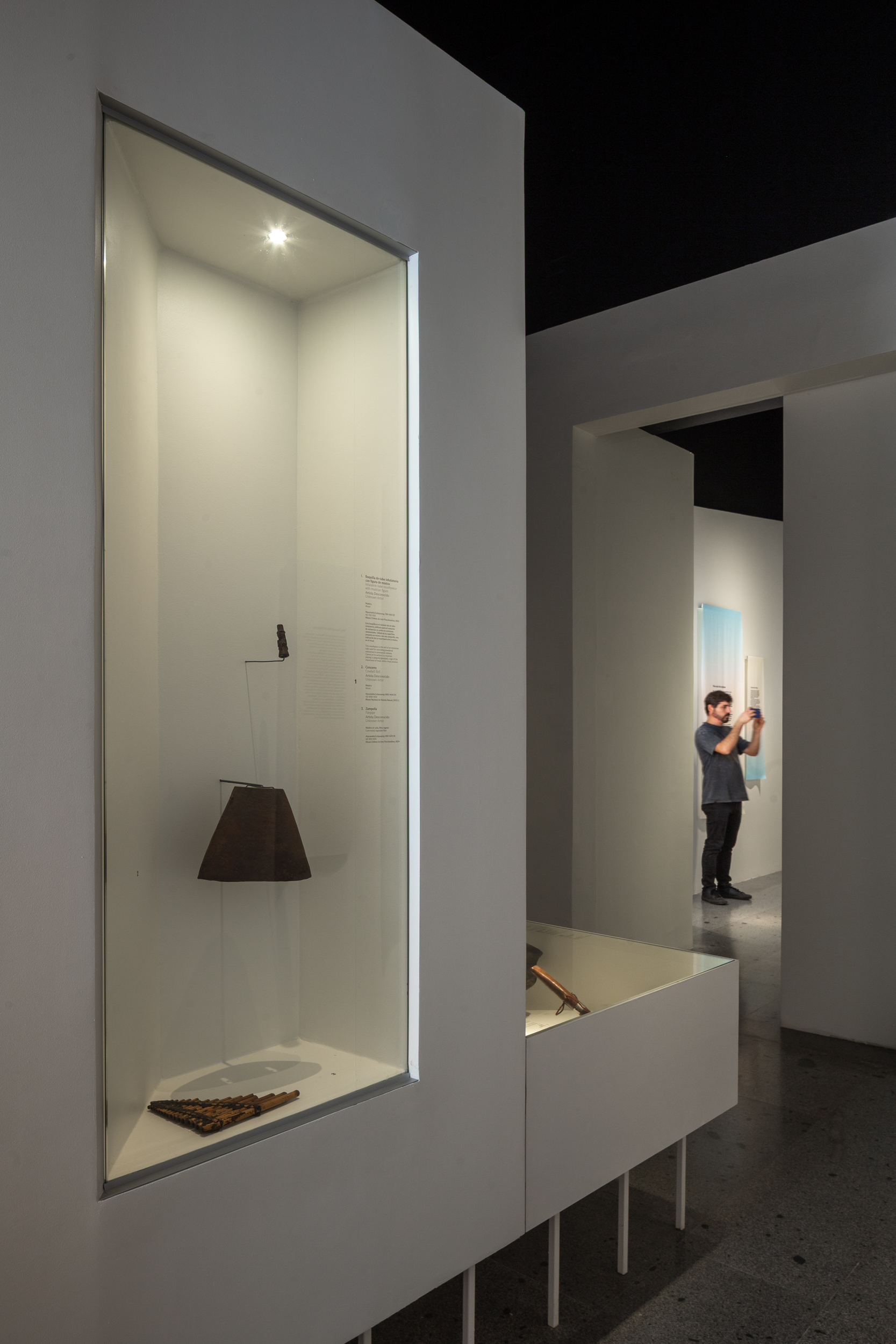
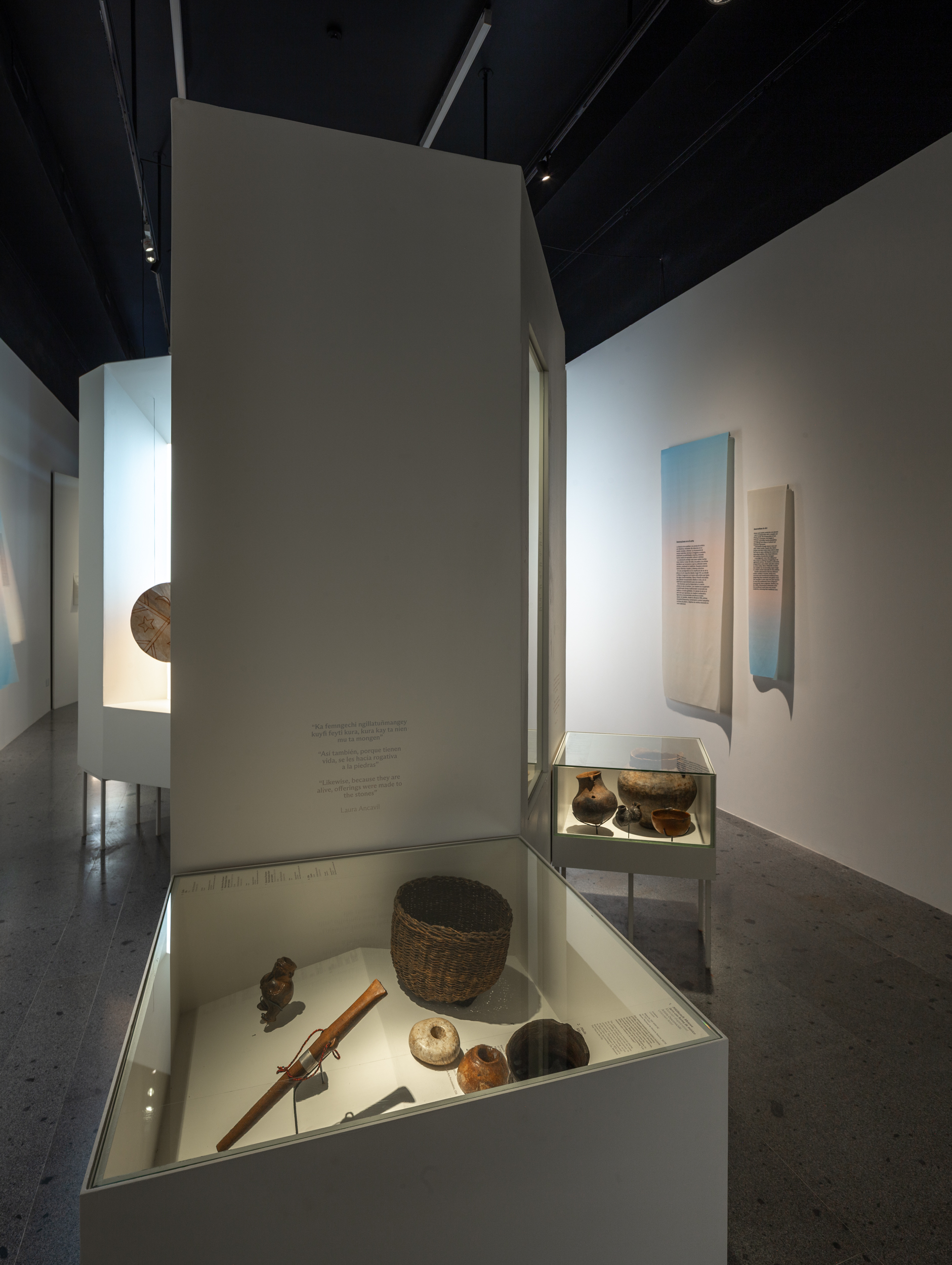
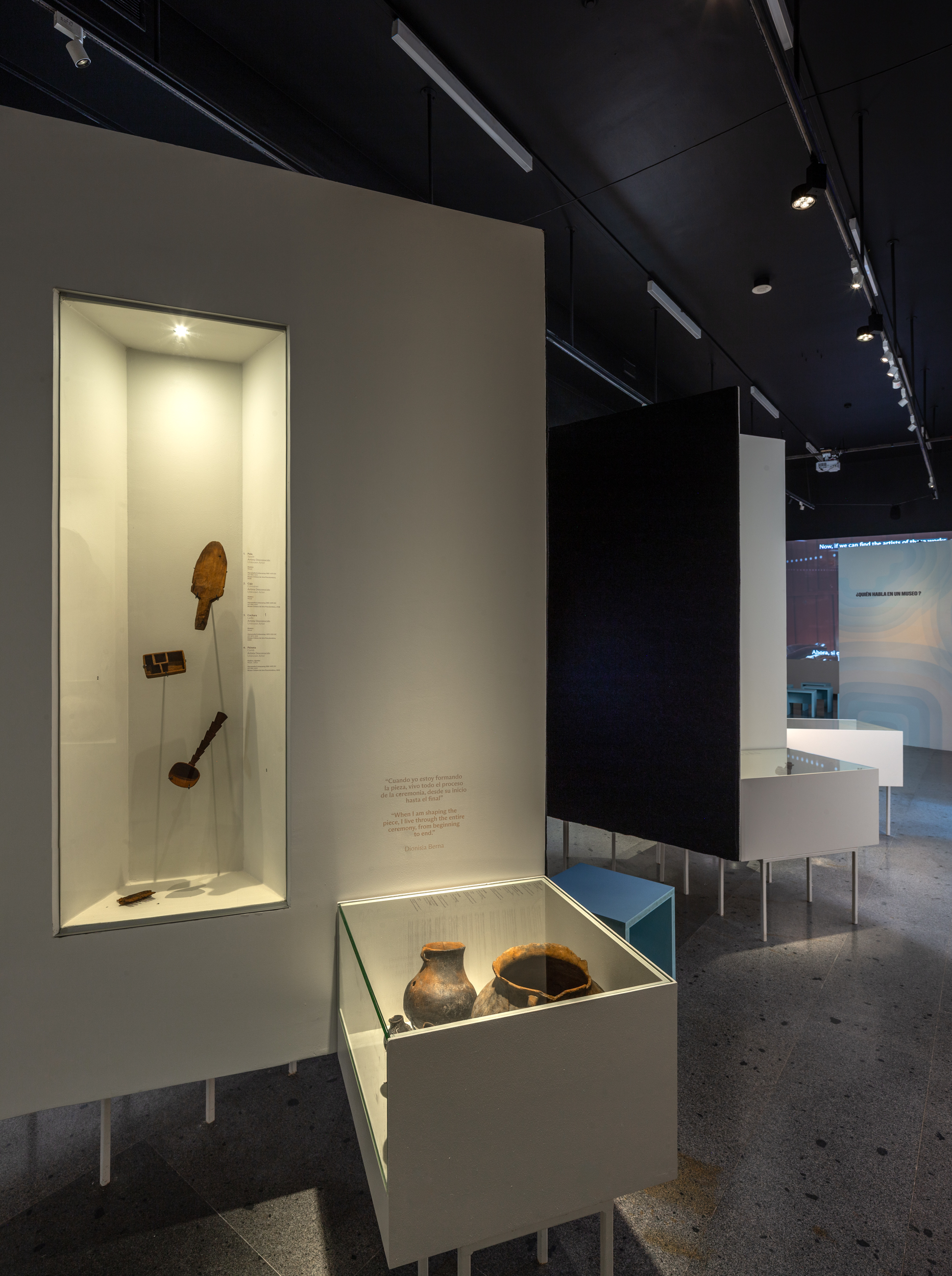
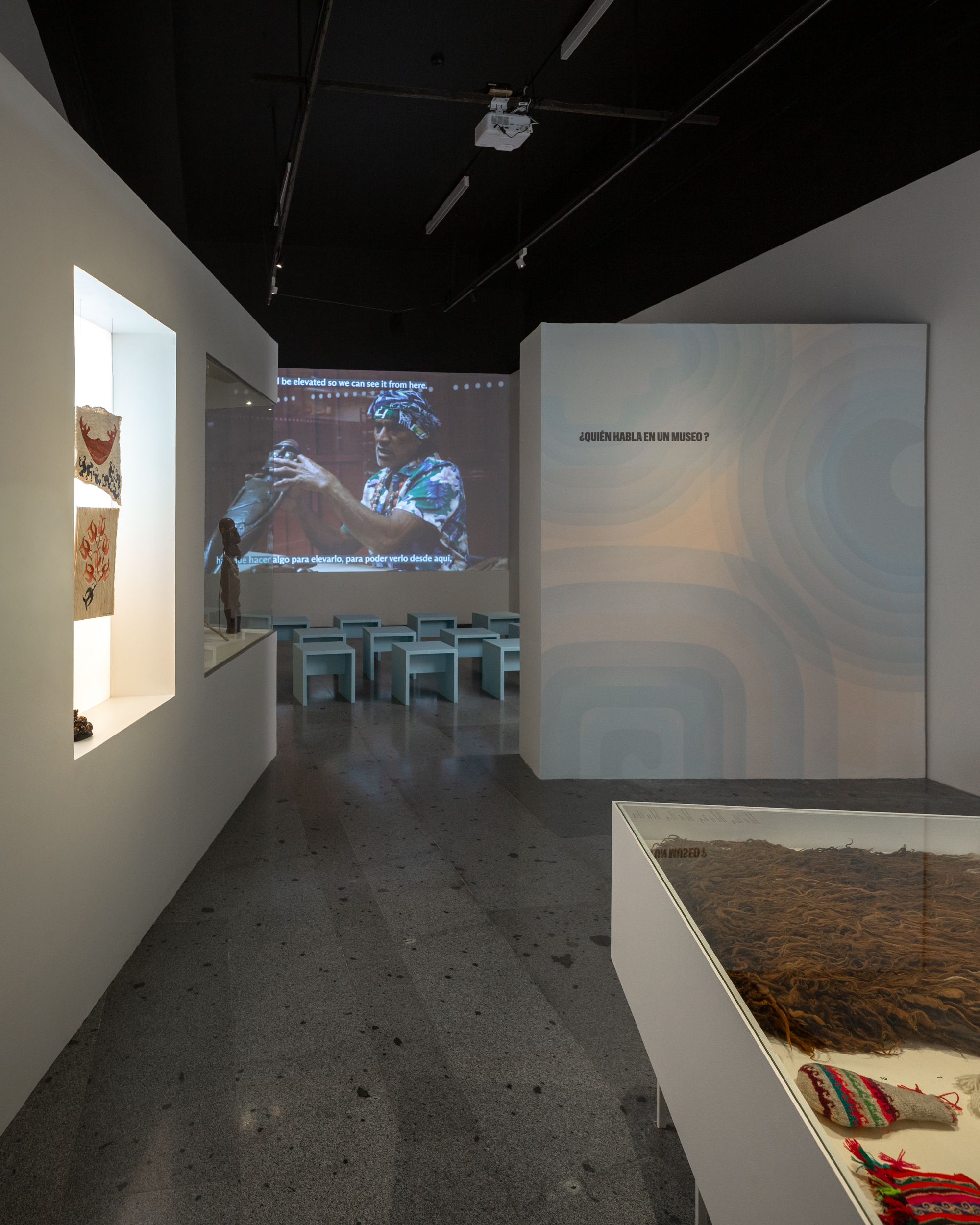
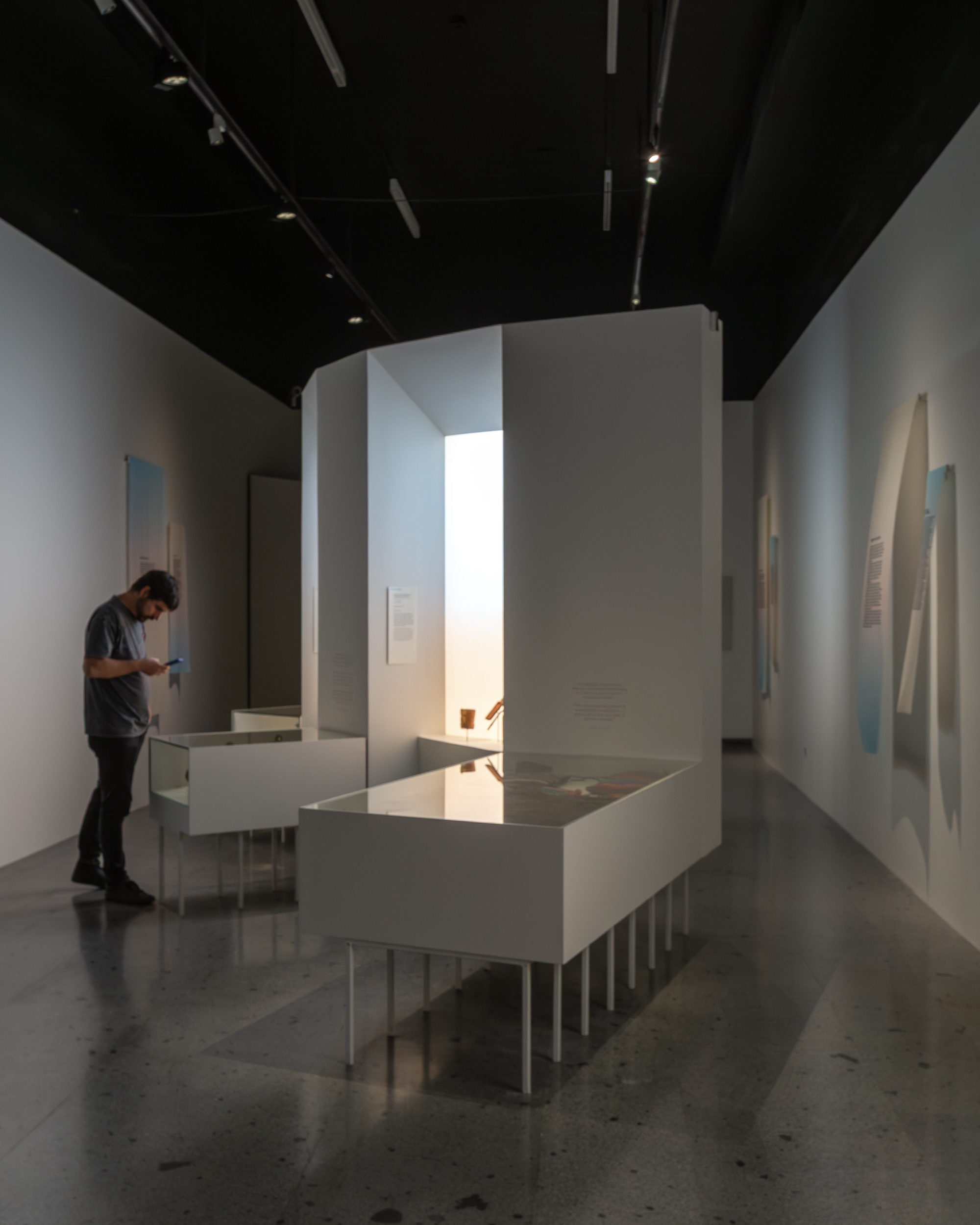
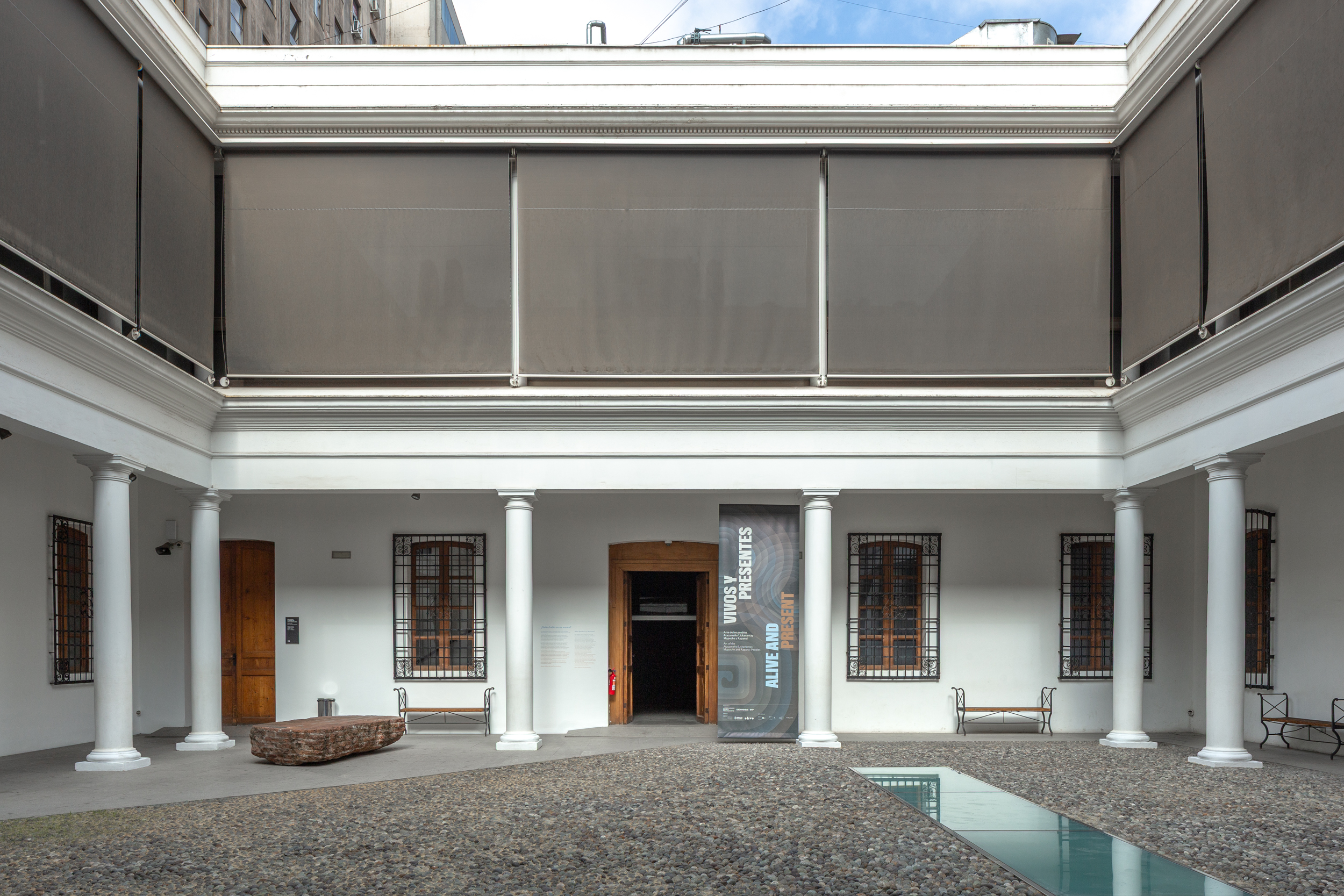
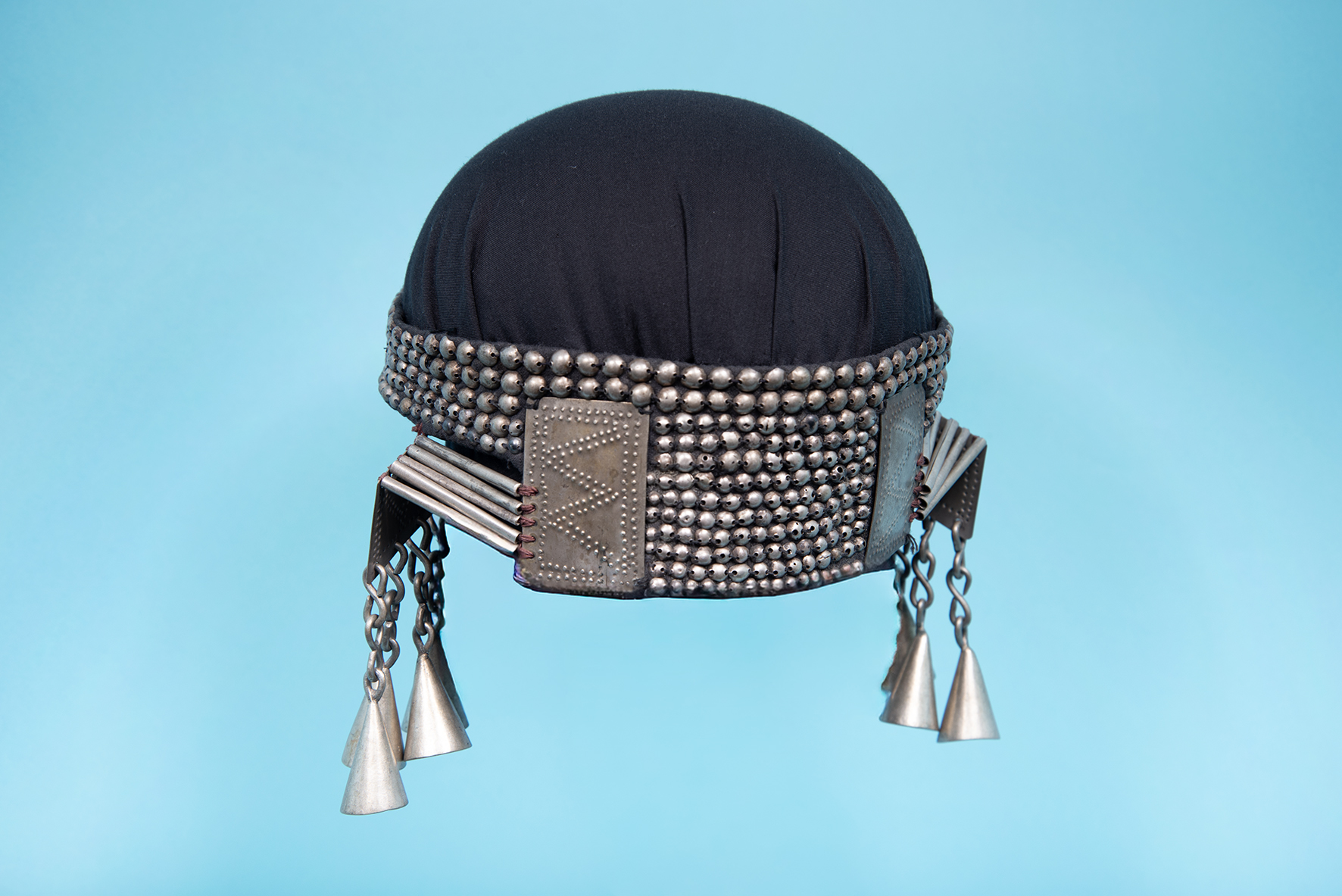
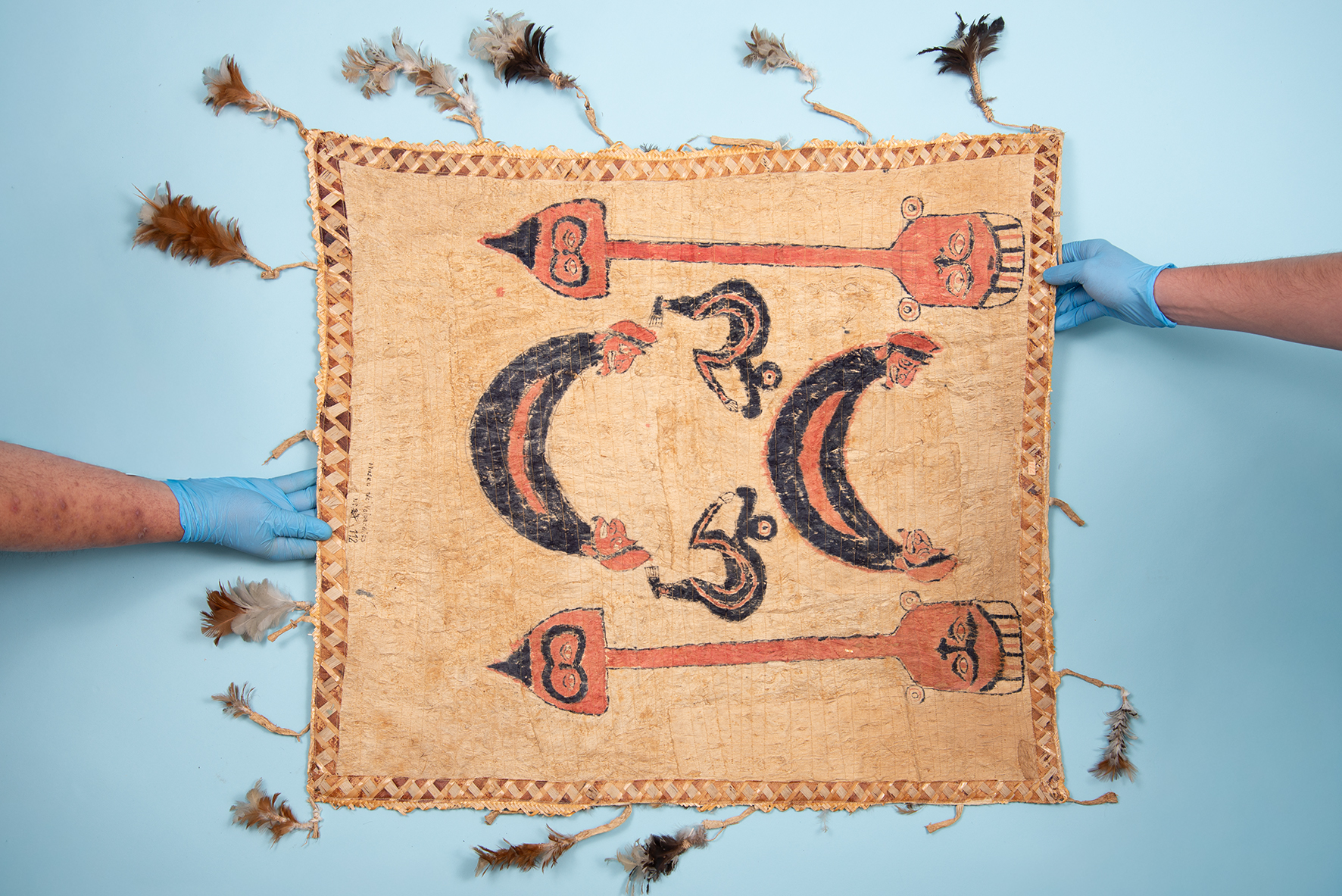
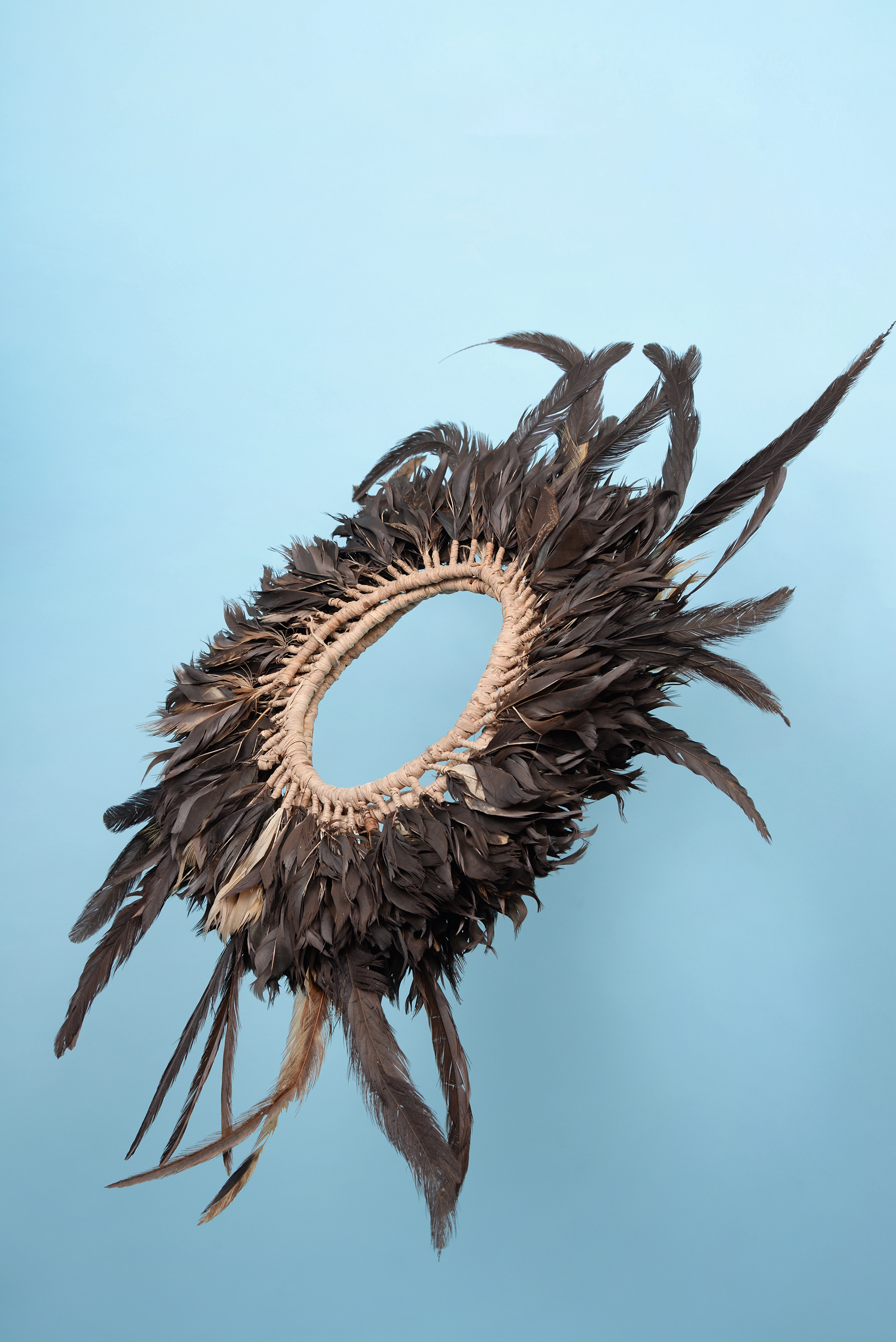
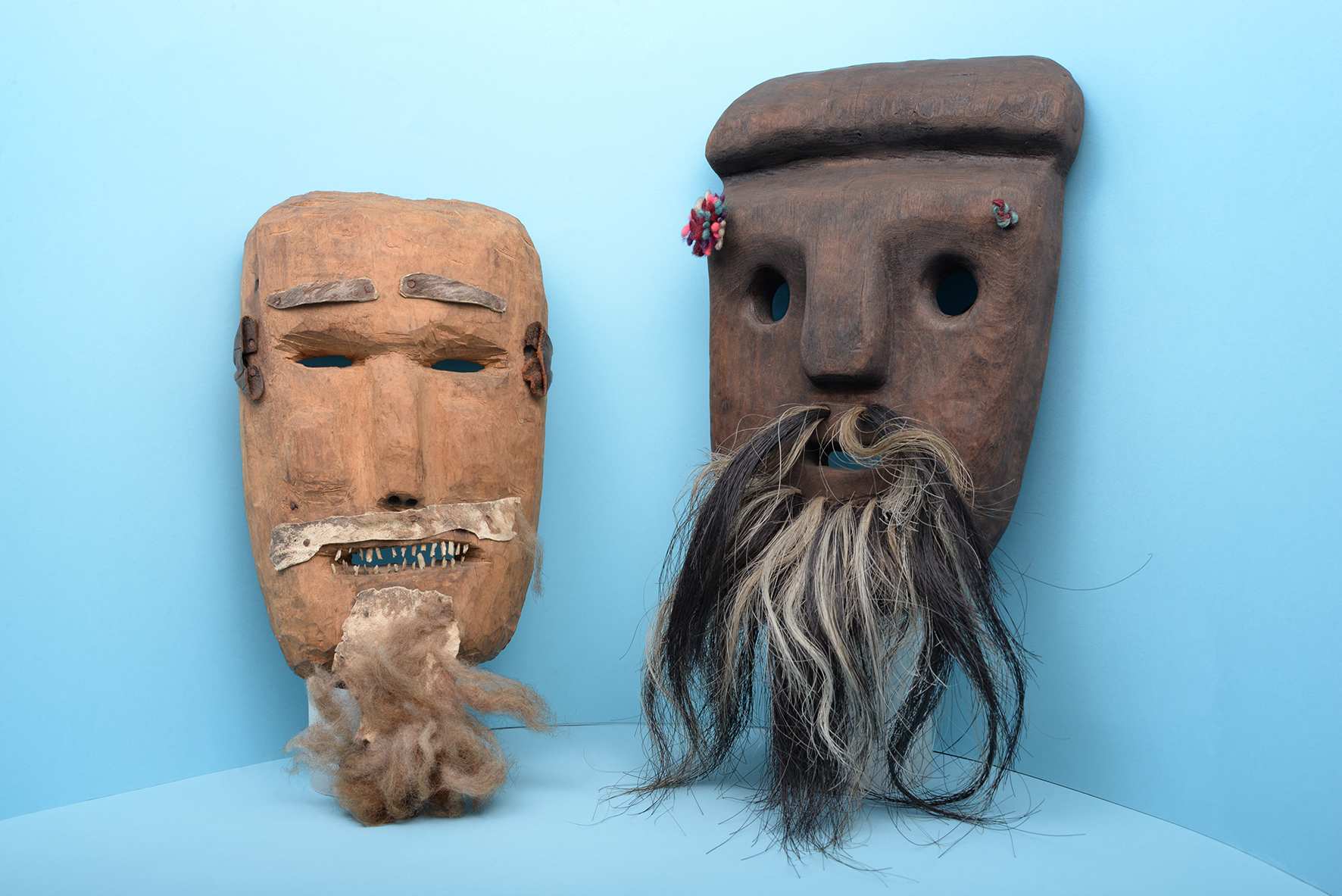
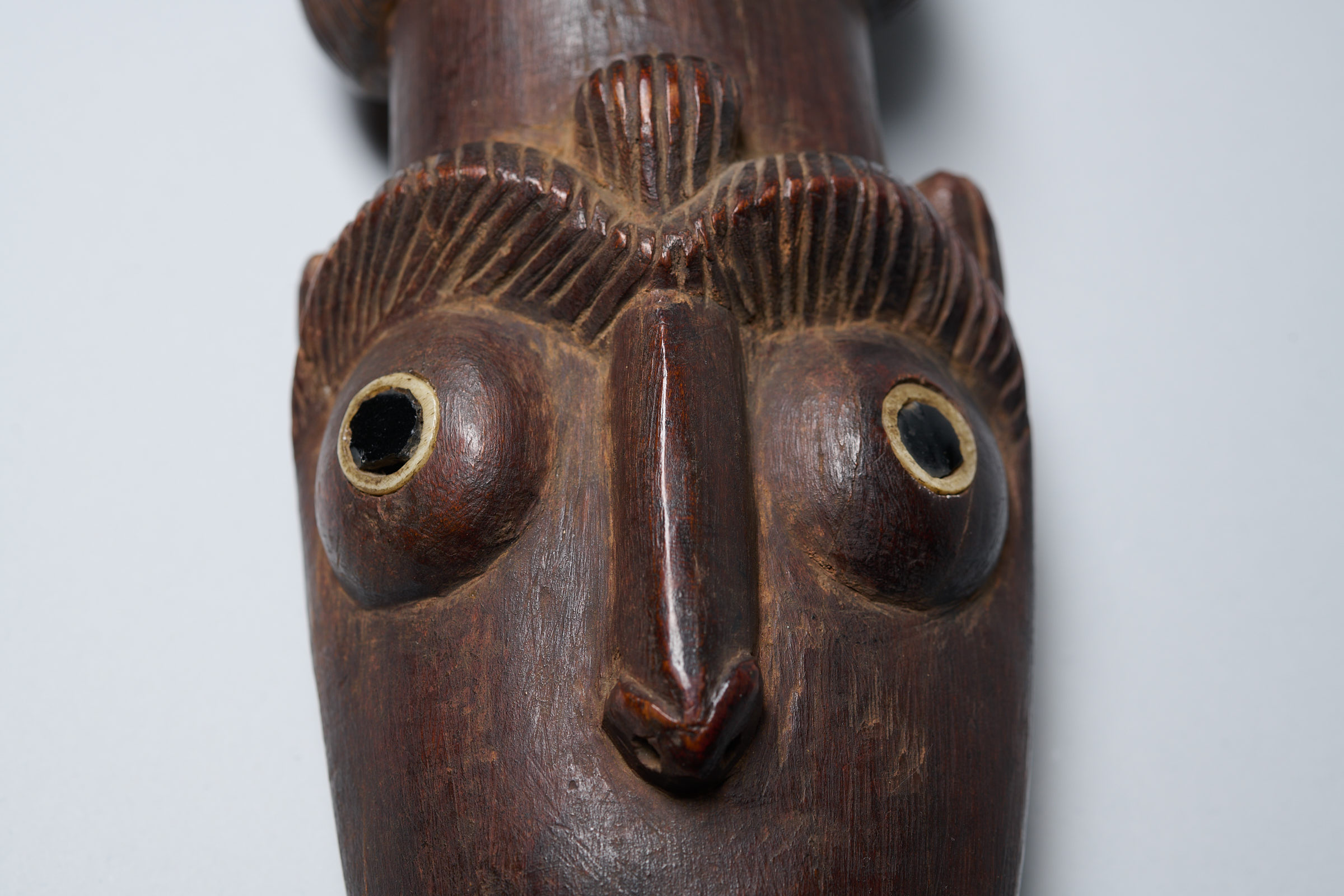
The exhibition Alive and Present: The Art of the Atacameño/Lickanantay, Mapuche, and Rapanui Peoples emerges from this question.

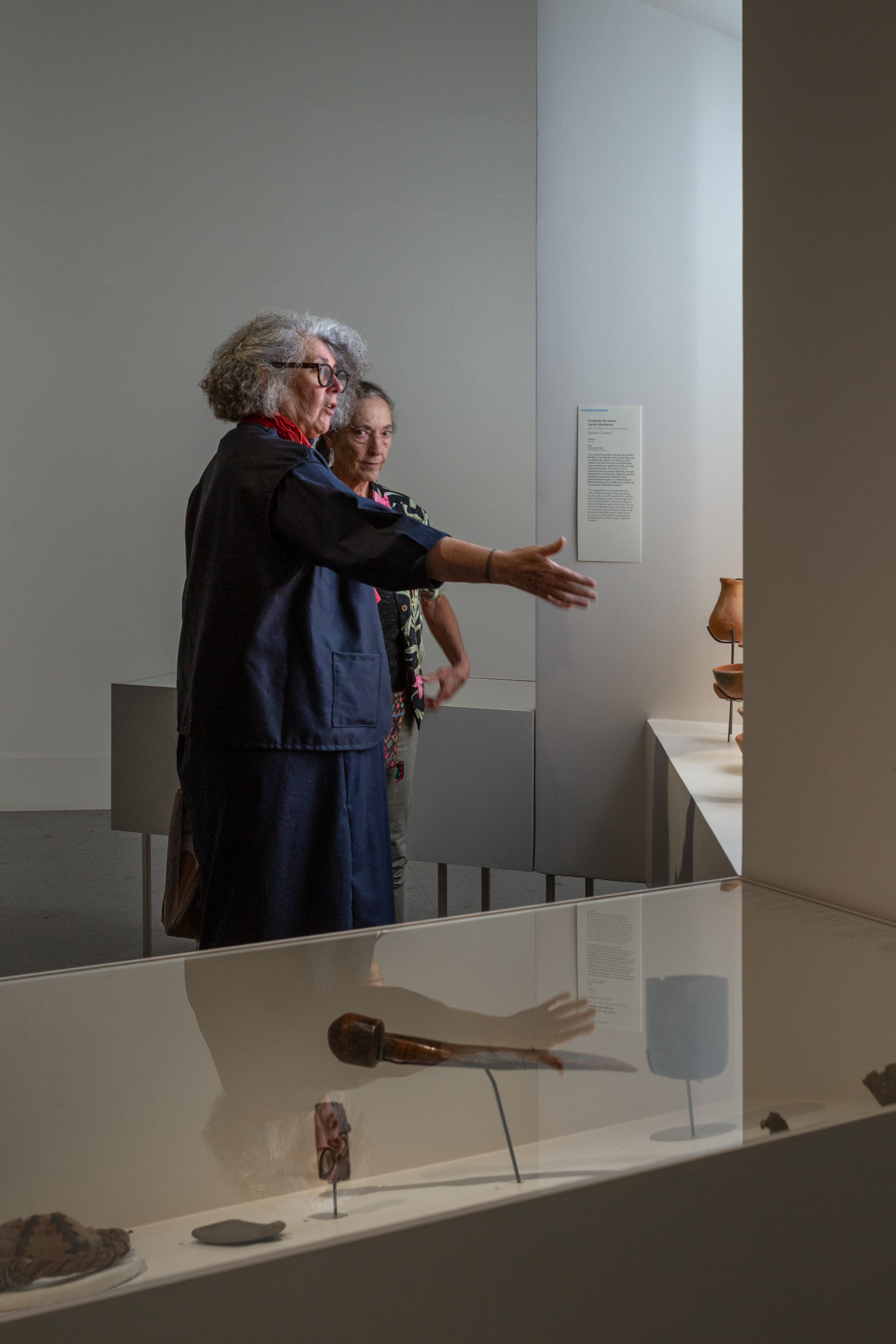
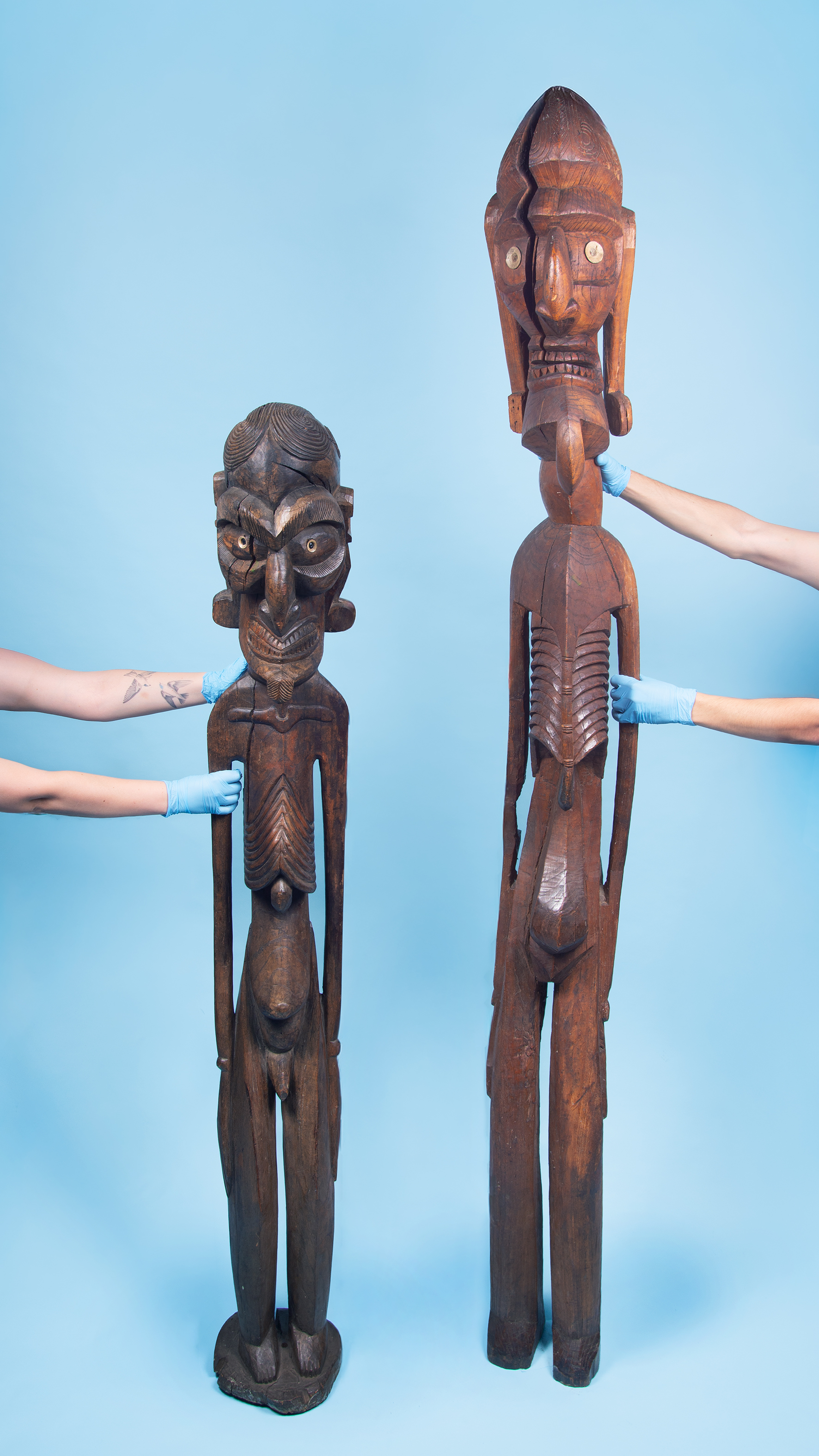
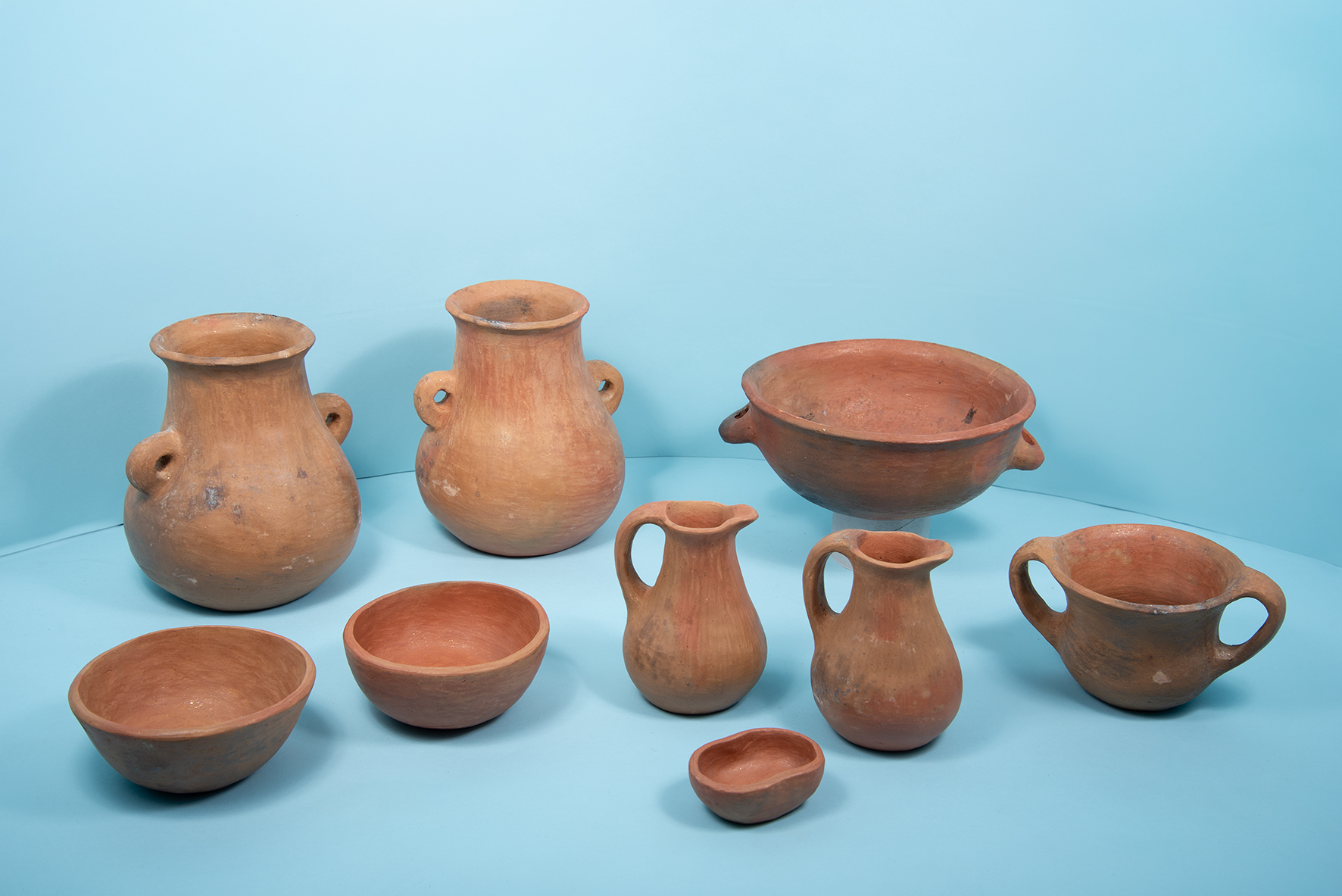
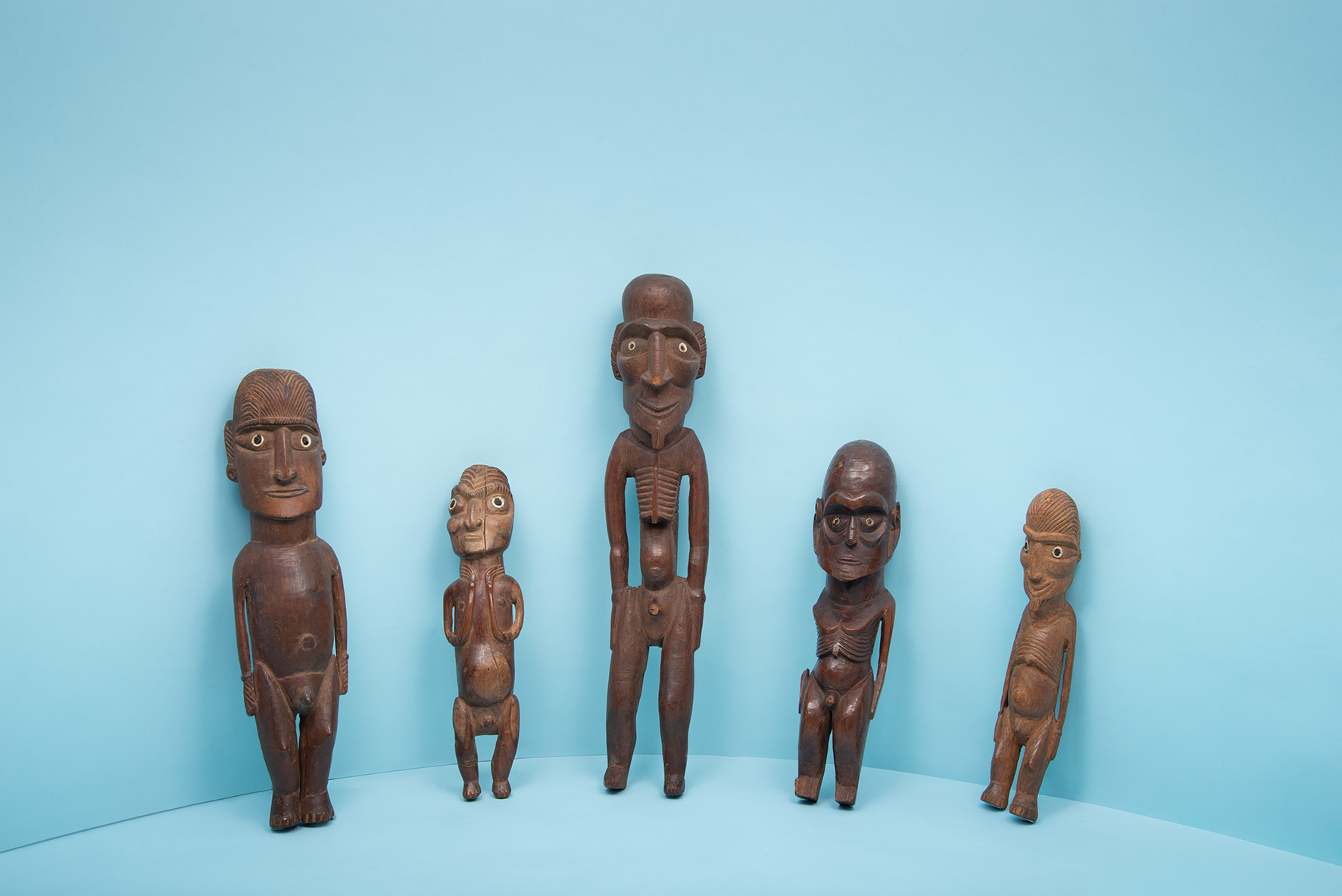
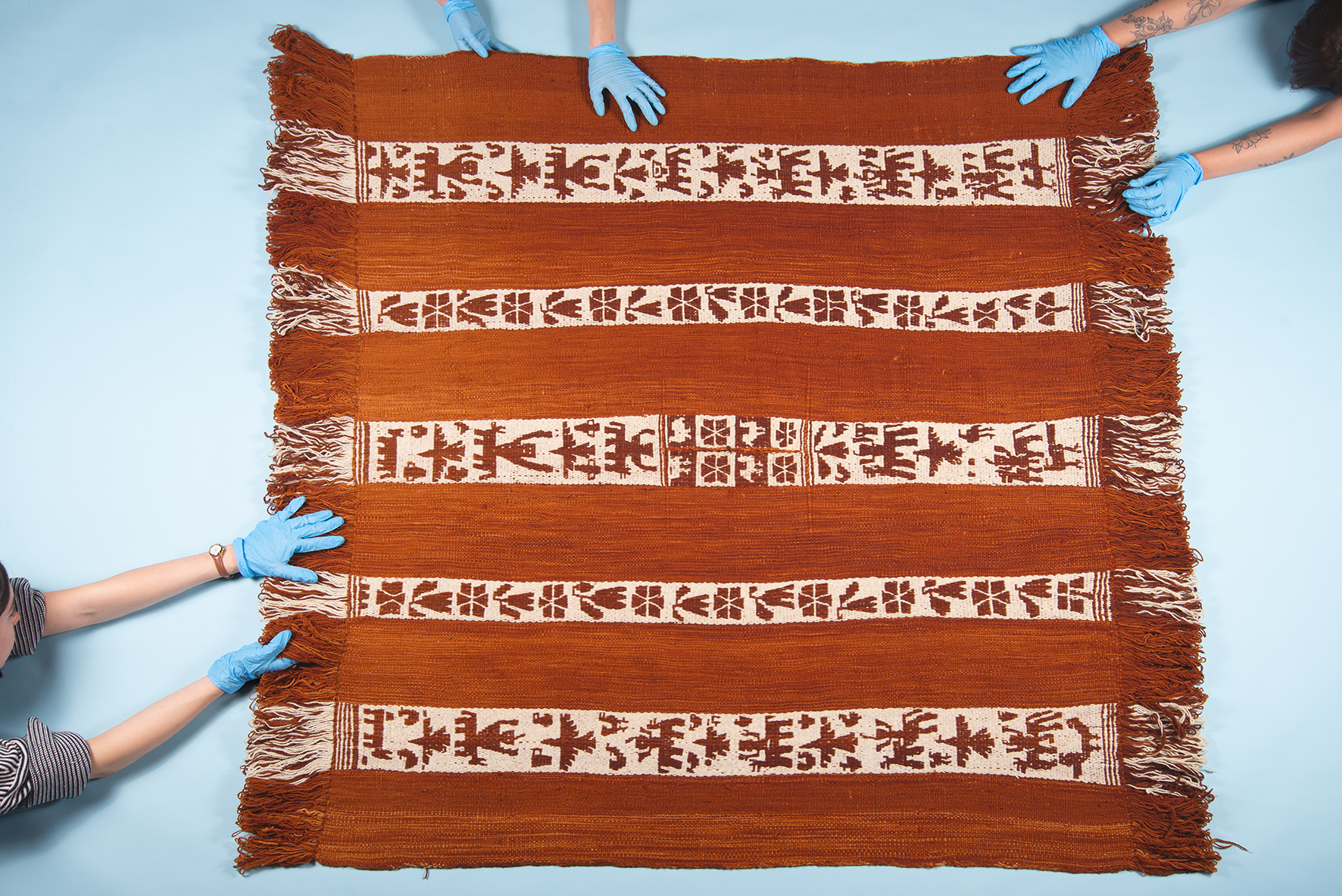
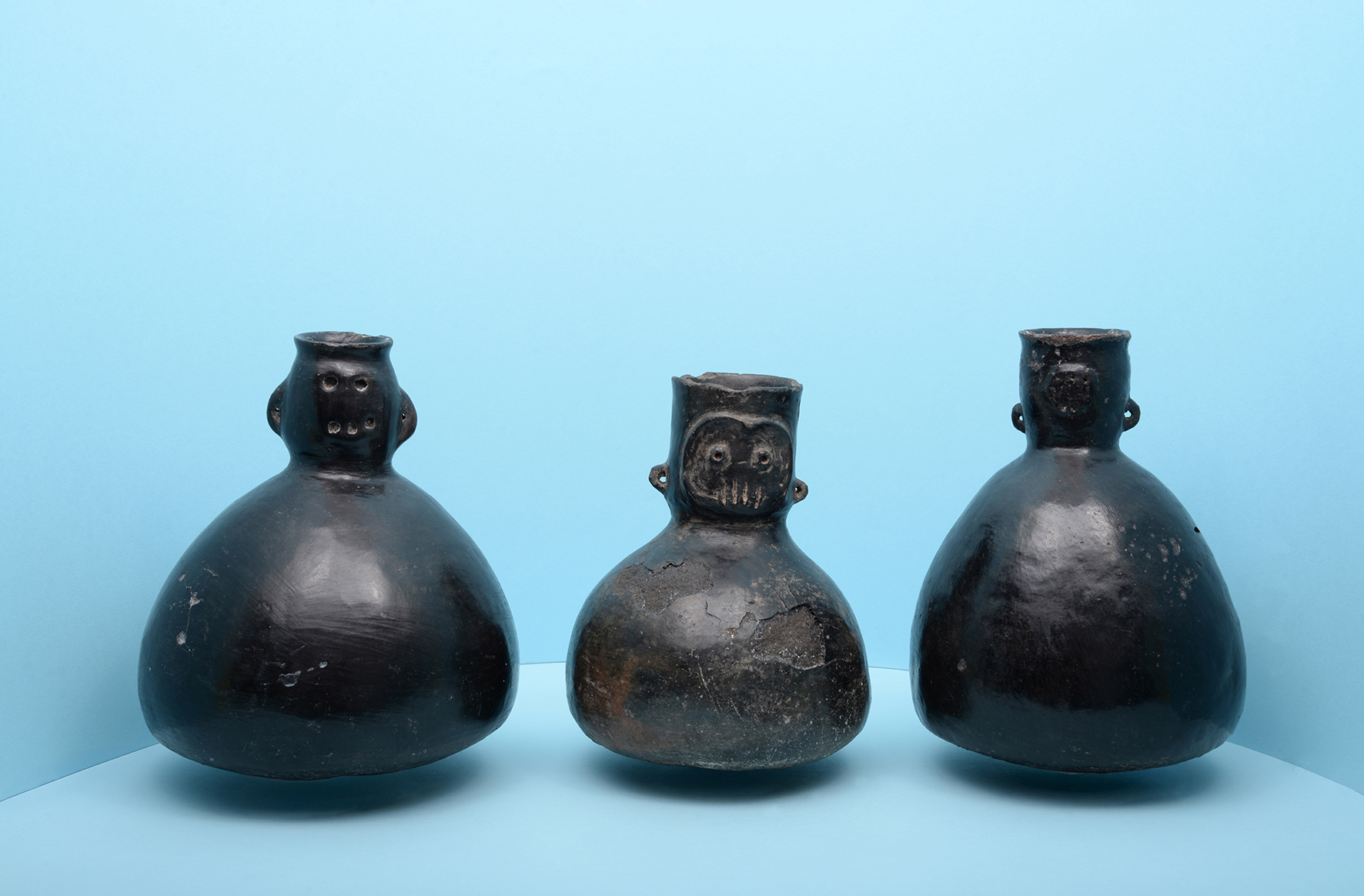
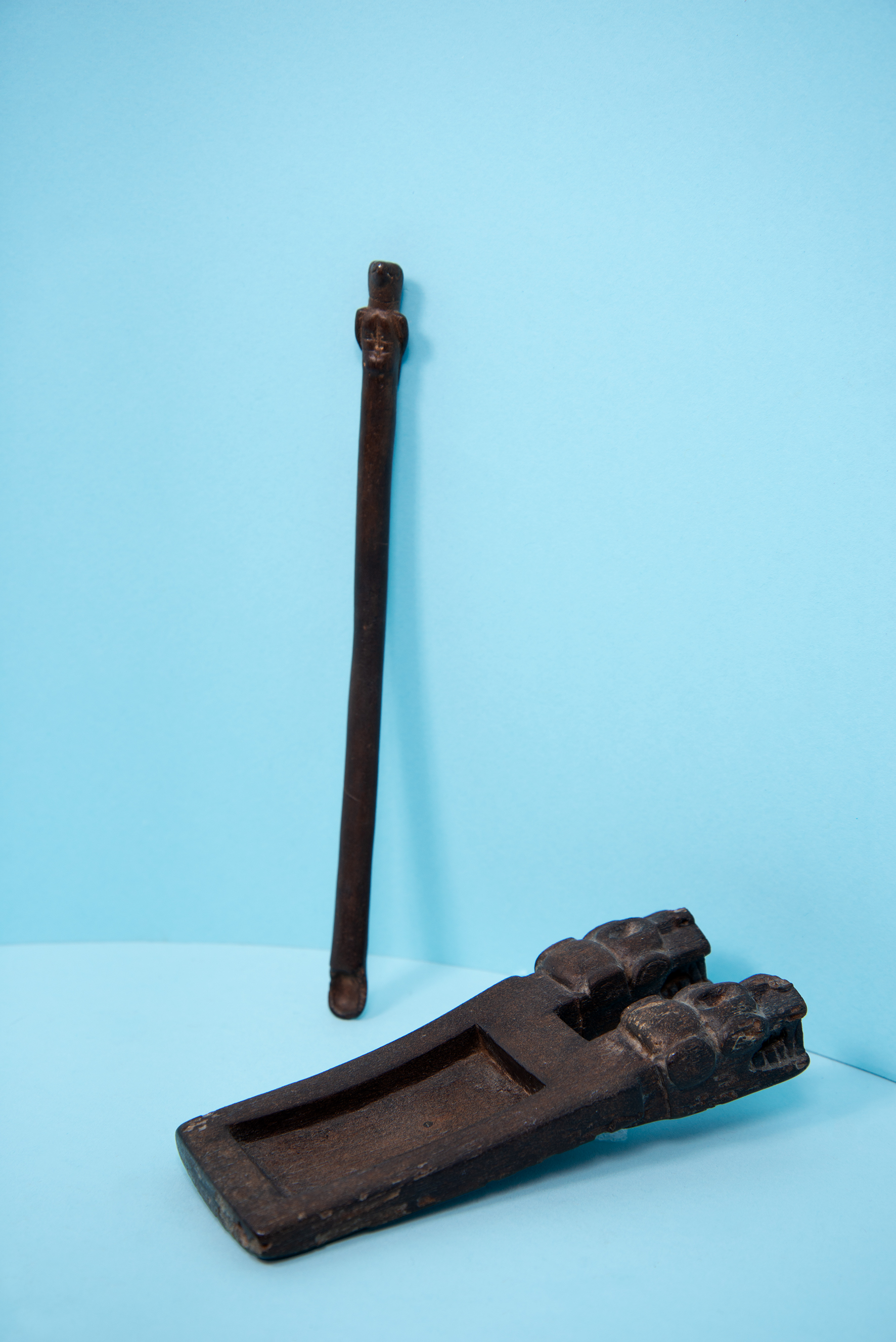
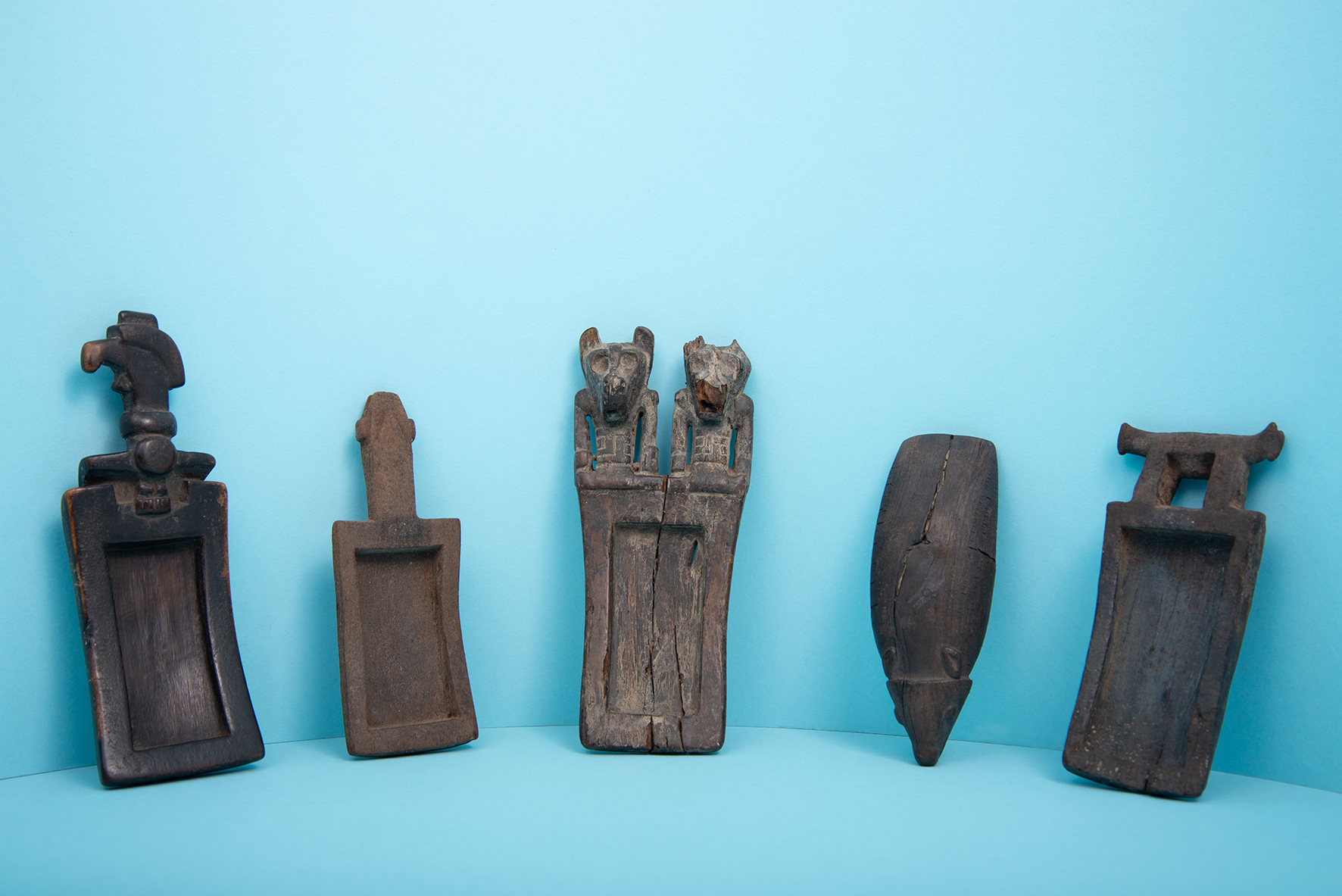
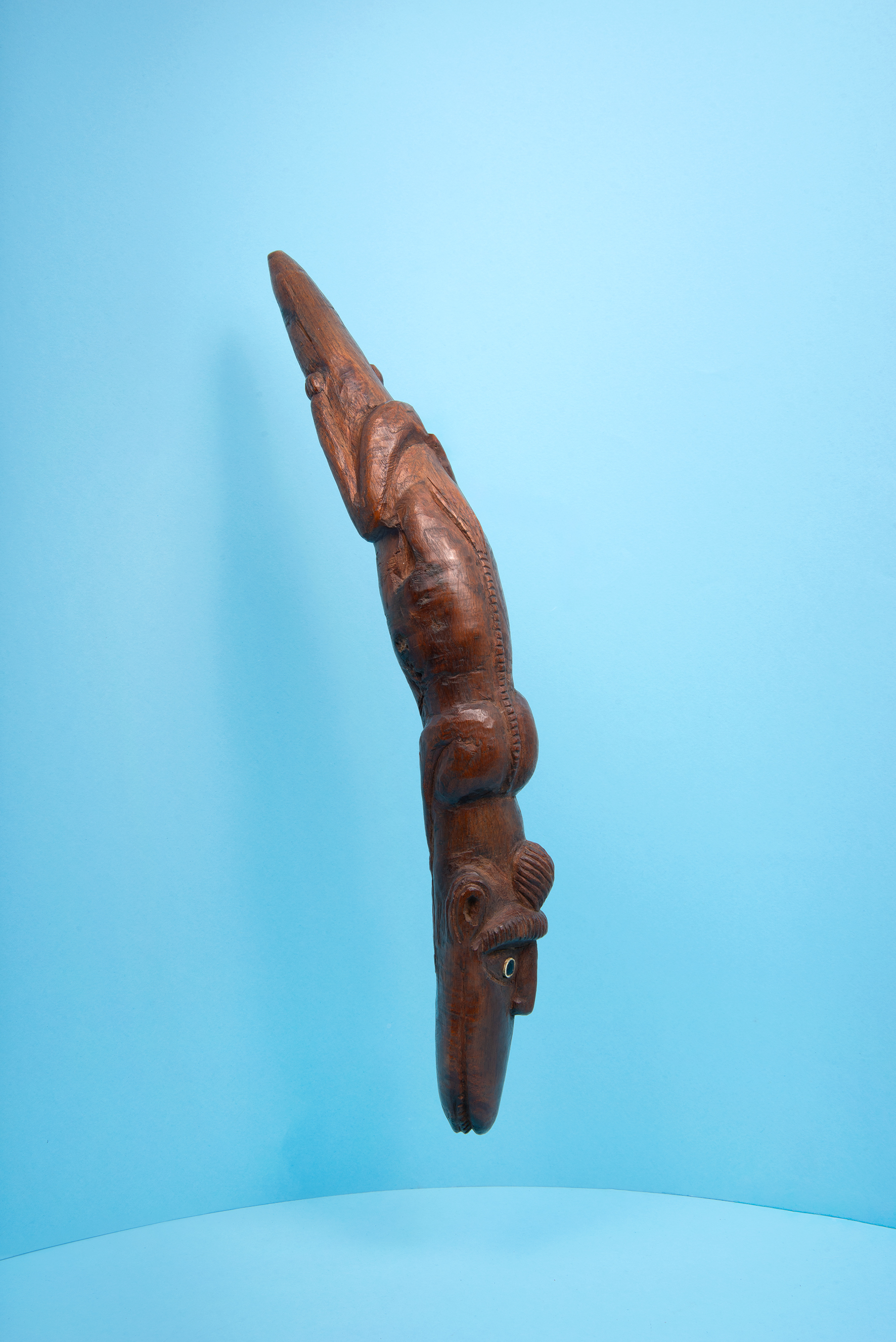
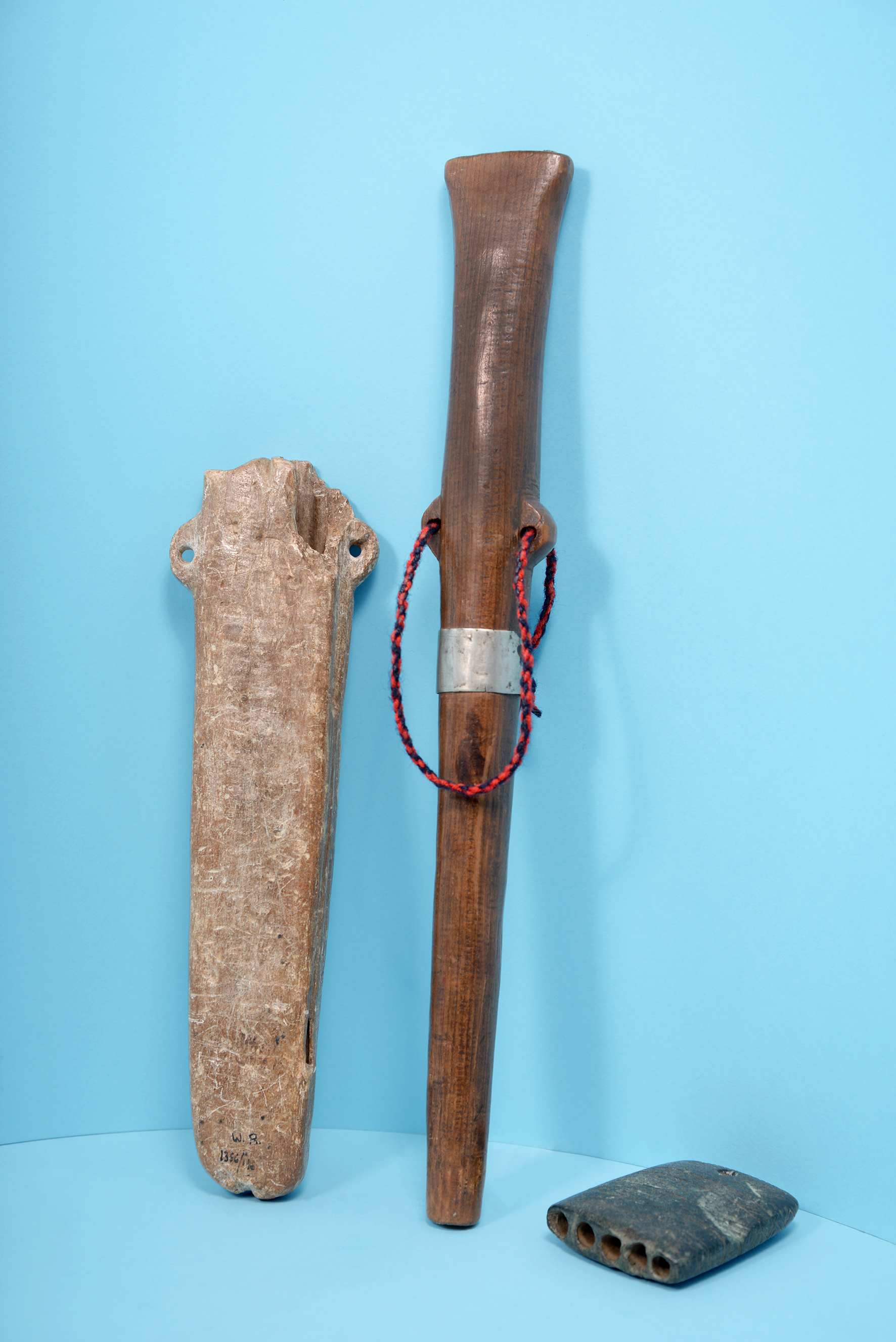
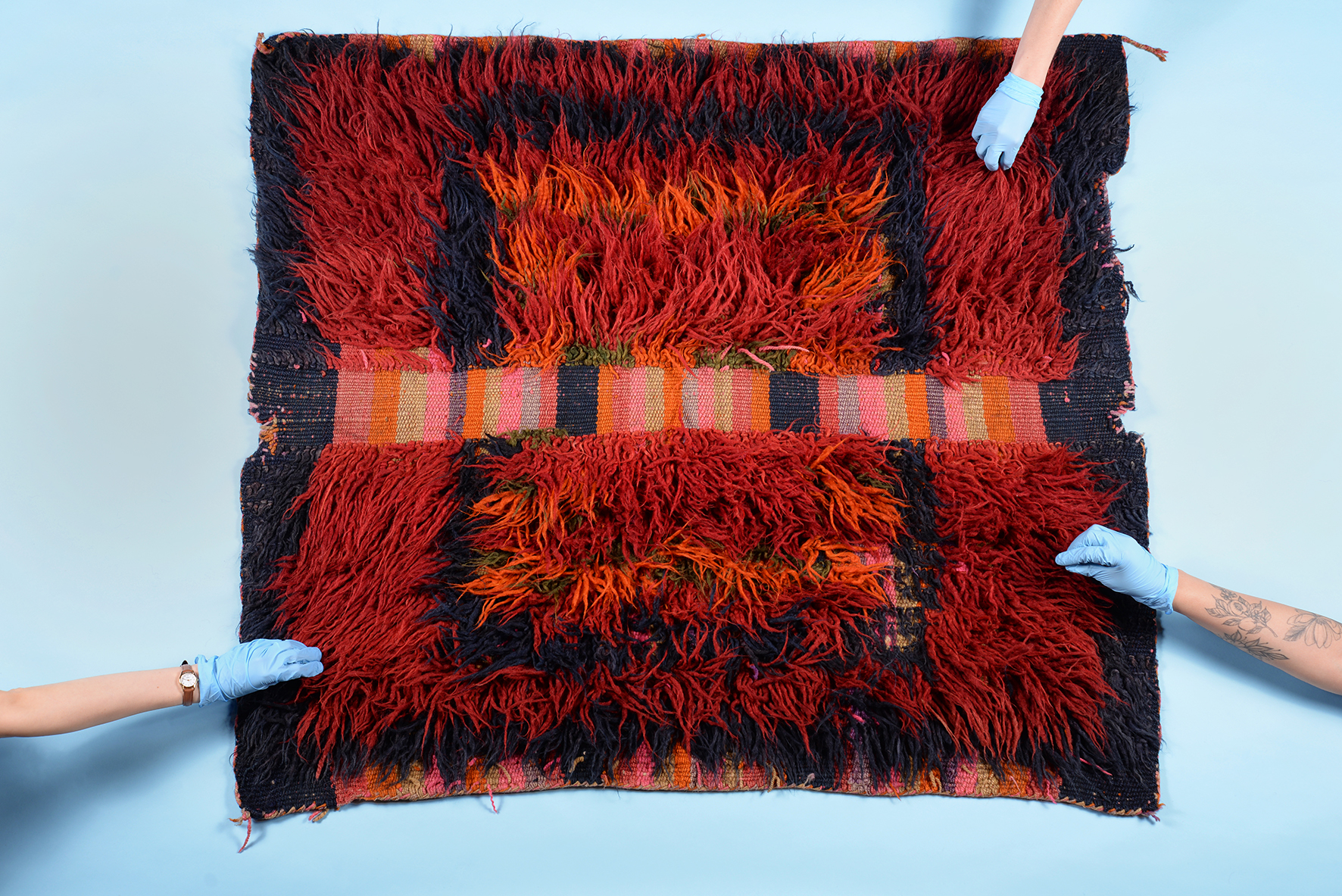
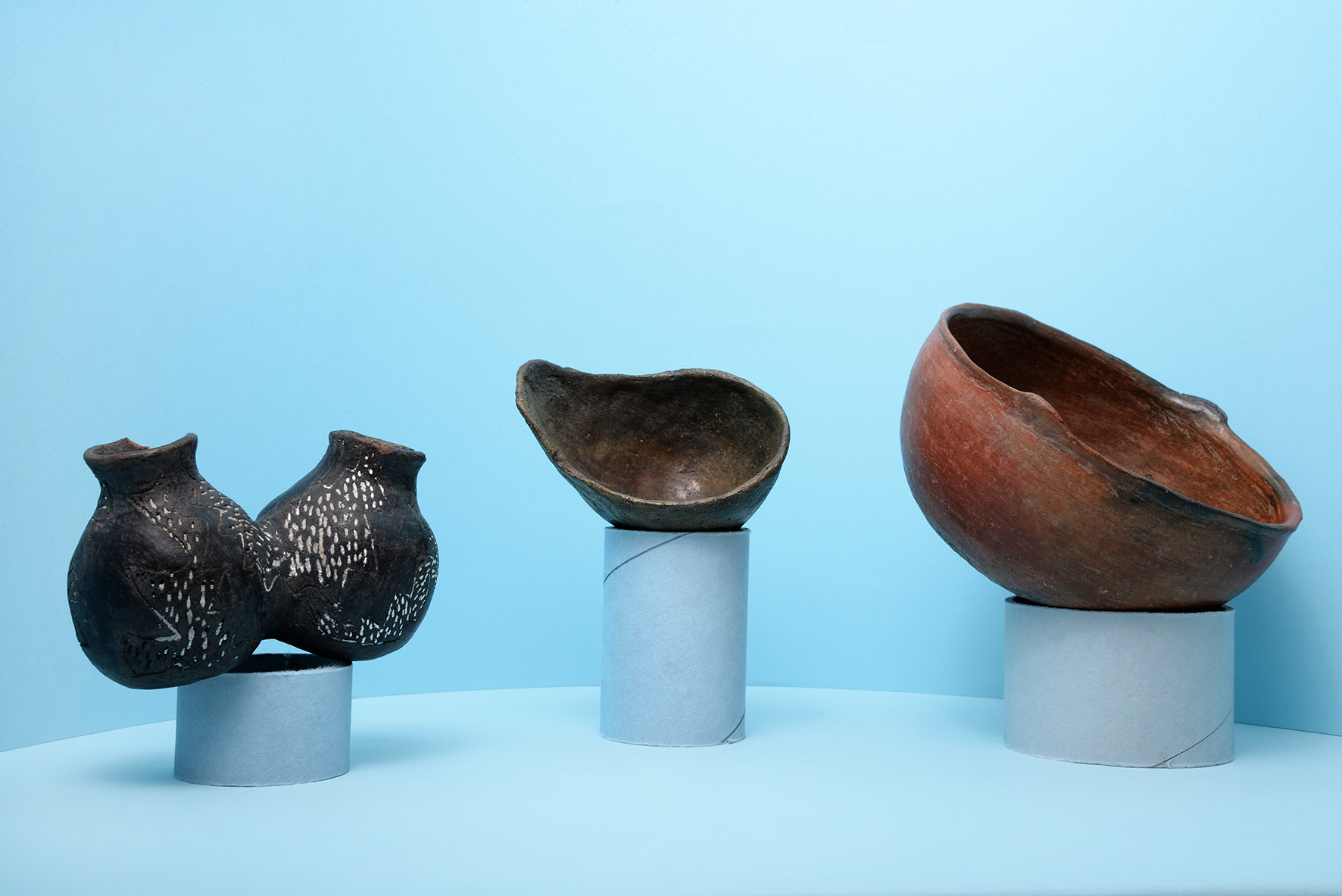
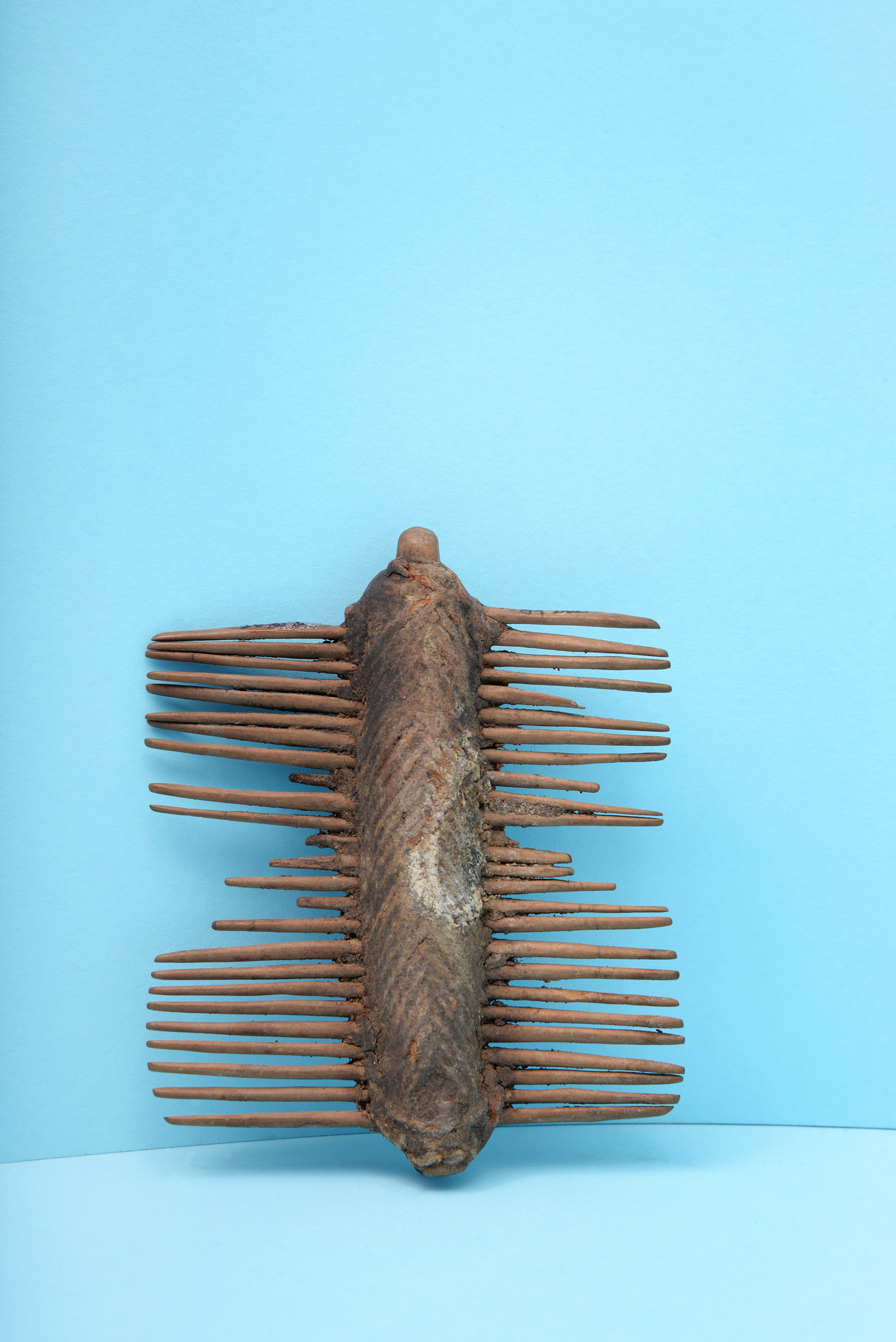
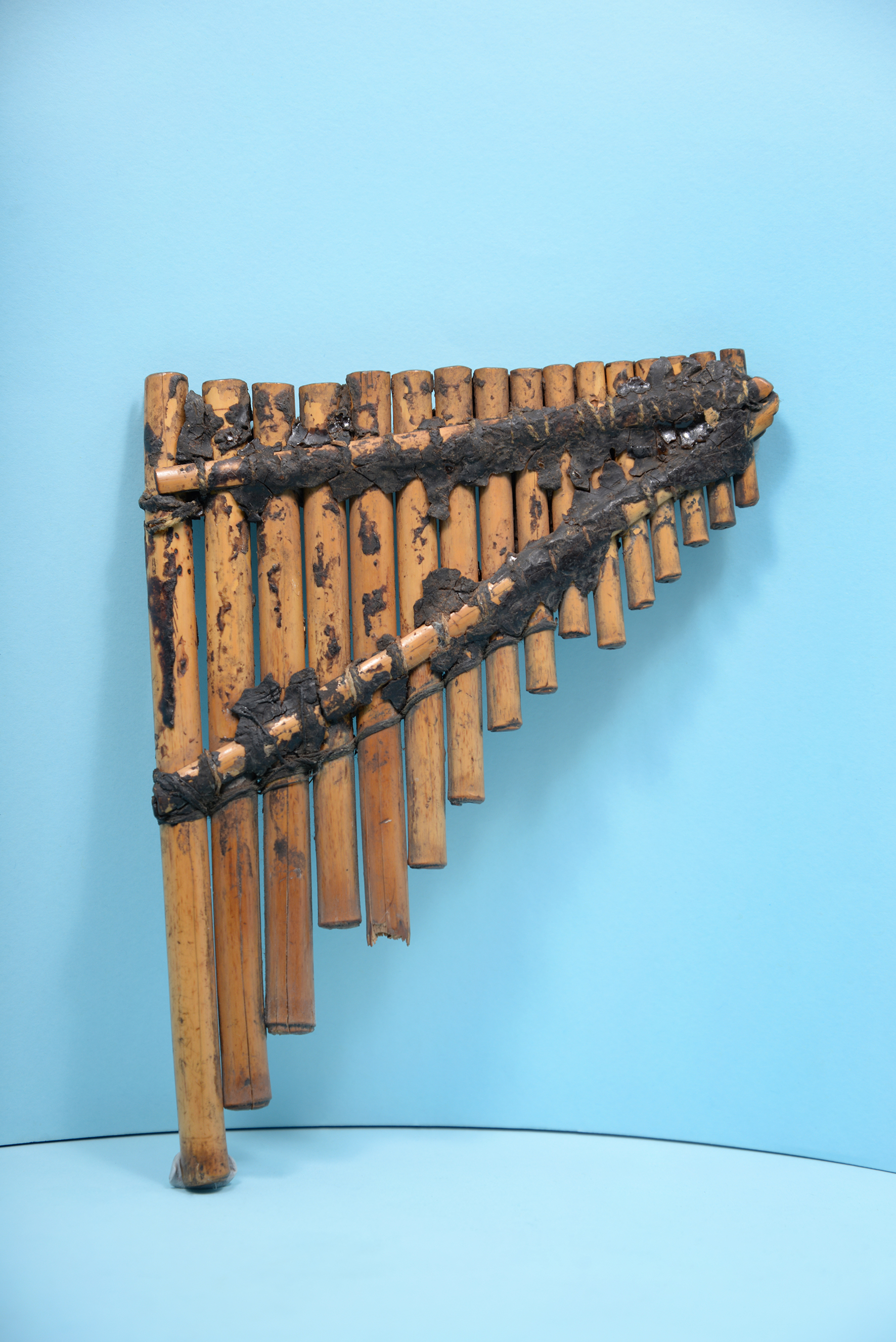
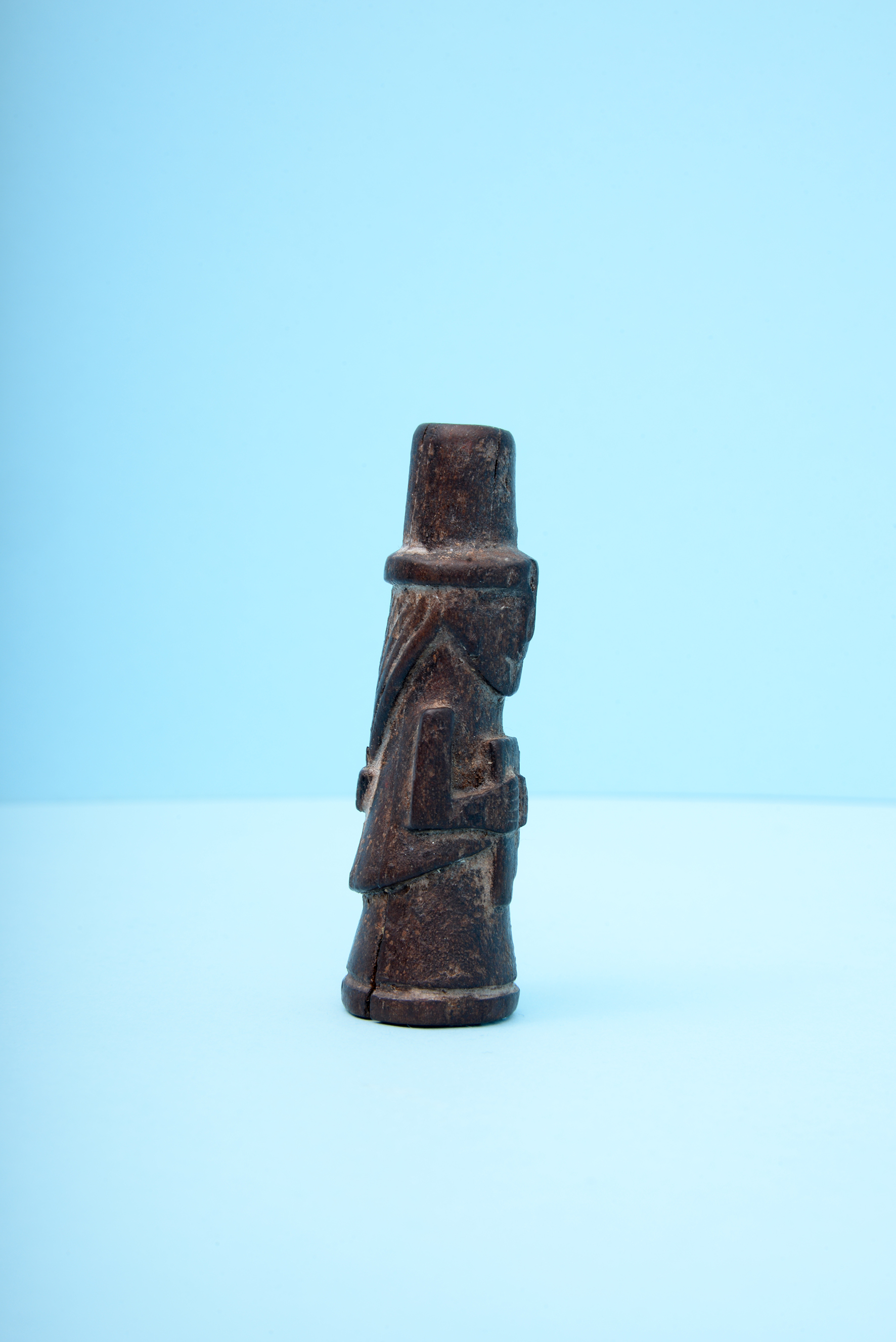
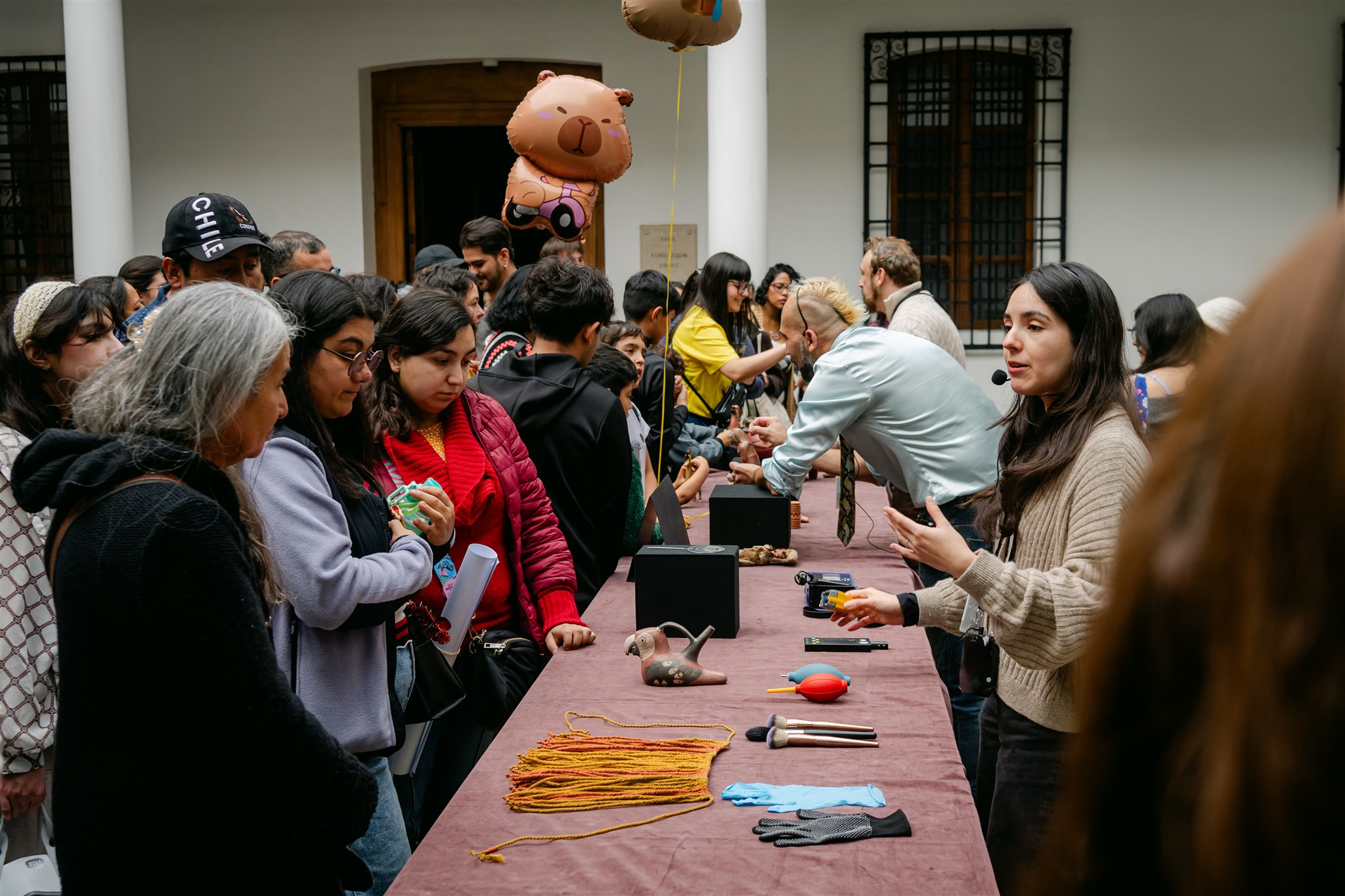
Over the course of two years, as part of the production of the Catalogue Raisonné for the permanent exhibition Chile Before Chile, Atacameño/Lickanantay, Mapuche, and Rapanui specialists and knowledge keepers studied pieces safeguarded by the Museo Chileno de Arte Precolombino. They shared knowledge, memories, and stories that had long been absent from our collection records.

Art historian Cristian Vargas Paillahueque, coordinator of the Catalogue Raisonné project and curator of this exhibition, synthesized these encounters, reflecting the vitality of the relationships between communities and the objects.

Alive and Present is part of a broader endeavor. As a museum, we seek to question our own institutional history, challenge the scientific neutrality of the narratives we produce, and advance curatorial strategies that recognize and make space for multiple ways of thinking, feeling, and naming the world.

We invite you to recognize that our present is woven from living memories—of a past that remains both present and future.
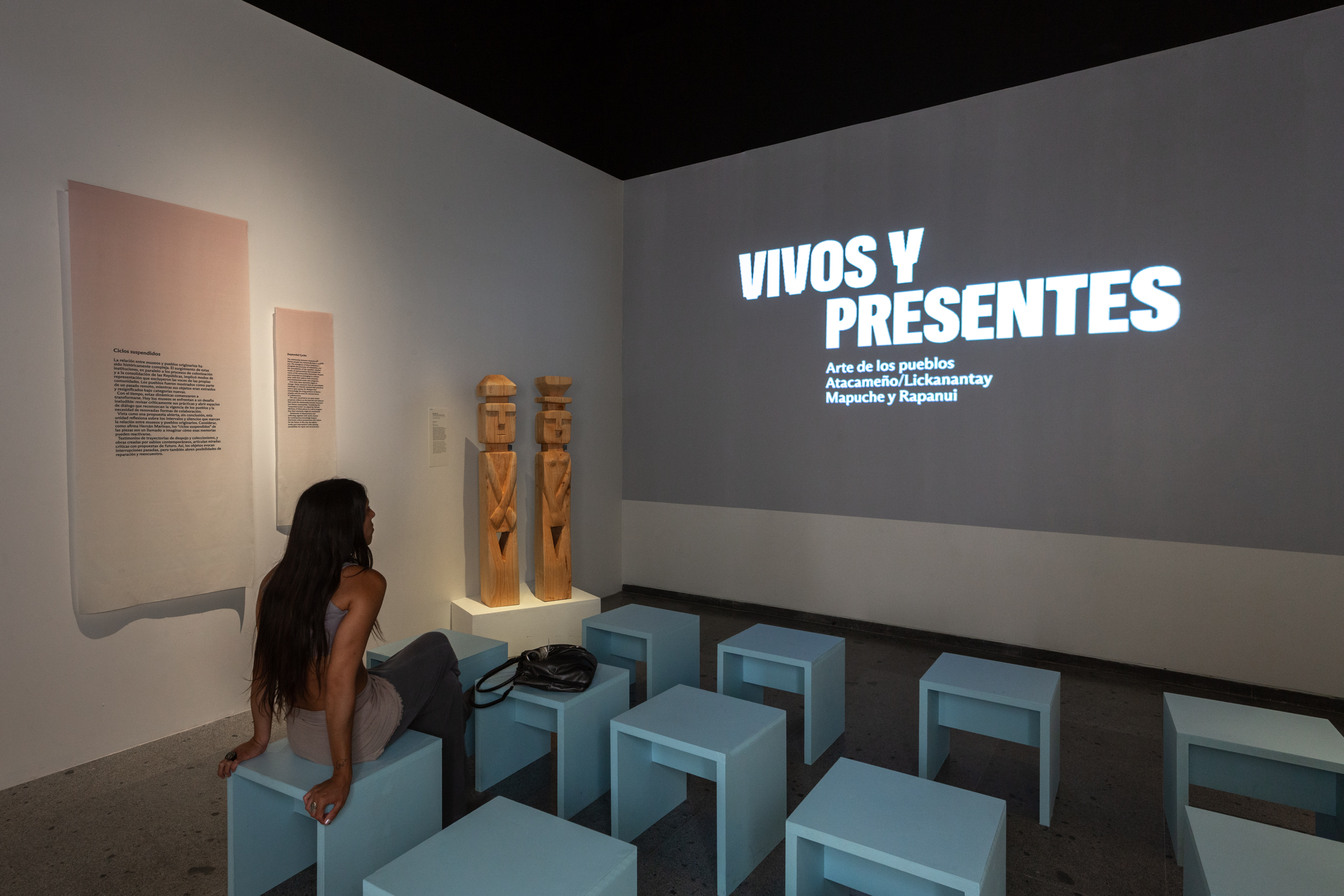
Exhibition videos

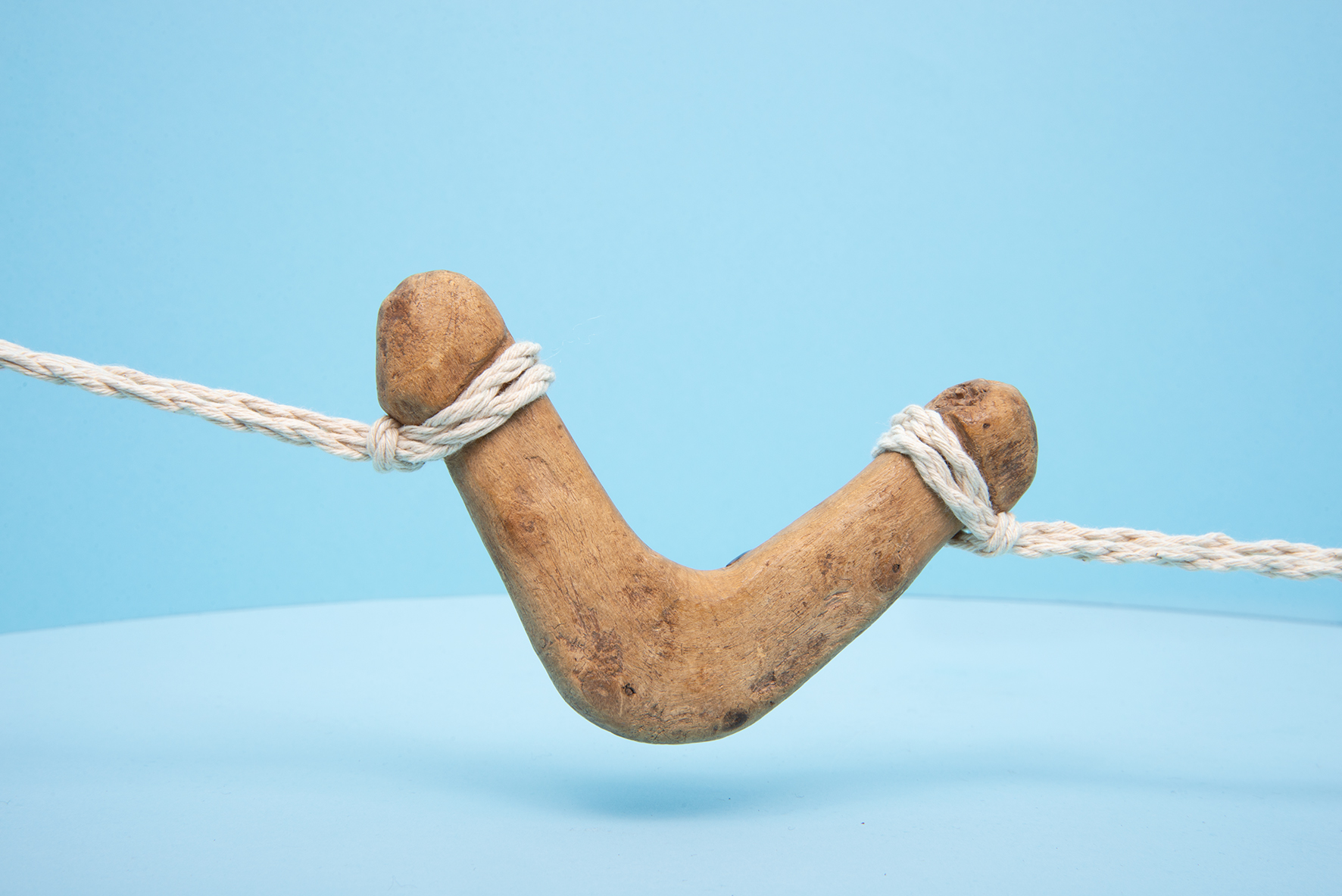
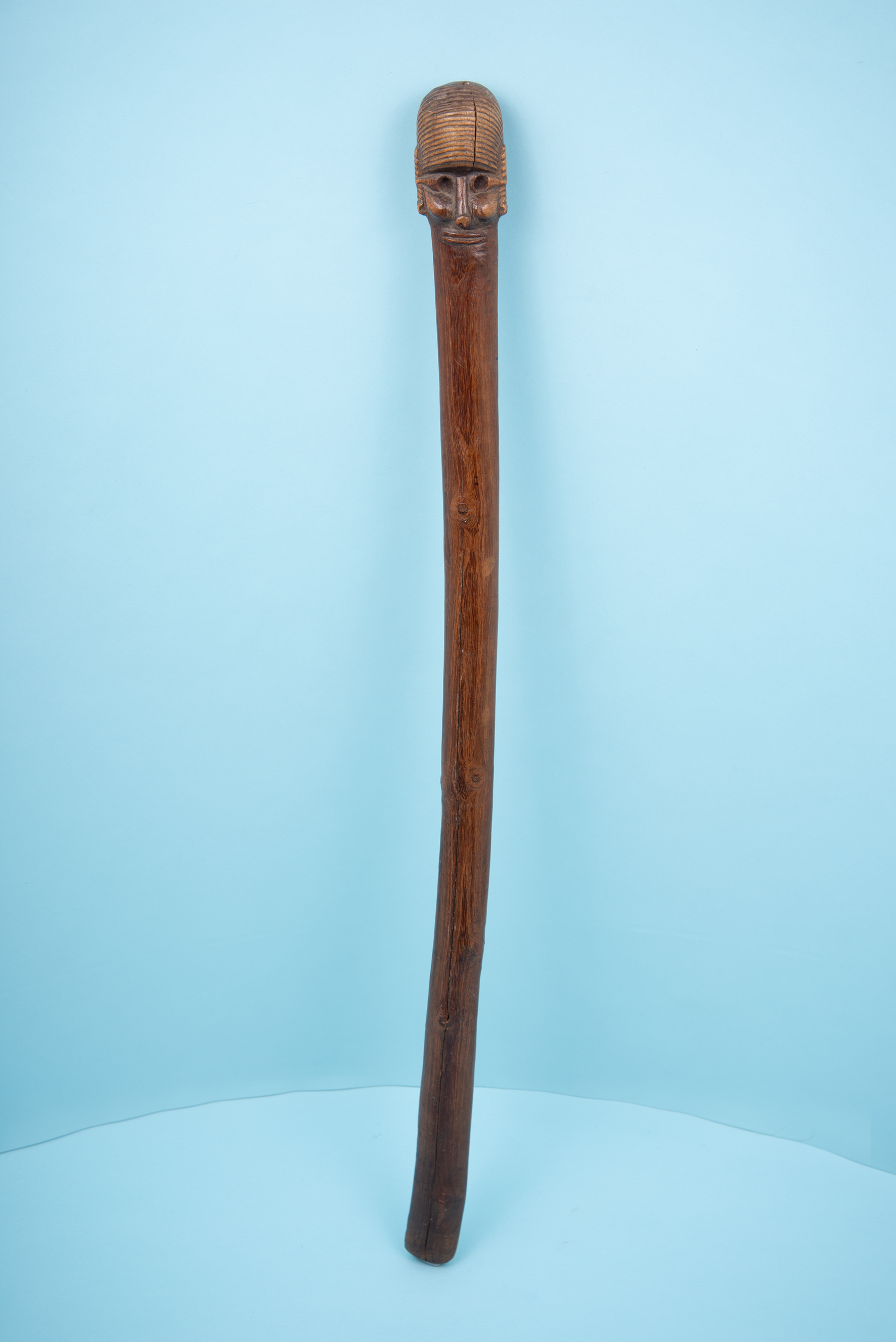
These four videos are part of the exhibition’s museography and document the collaborative and intercultural process that took place between the curator, the Collections team of the Museo Chileno de Arte Precolombino, and the knowledge holders who participated in the research of the pieces, as well as in the creation of commissioned works.

The Legacy of the Present

6 min 47 sec

“The Legacy of the Present”. Knowledge flows between generations like a living current. We learn from those who teach us, and, in time, we pass on what we have learned. In this way, the knowledge and creative practices that sustain the life of communities are continually renewed. Art expresses this intergenerational flow, bridging ancestral time and the dynamism of the present. Each work embodies tradition and projects it through the lens of the present. It is in this passage between learning and reinvention that cultures breathe. Peoples remain alive when they look to their past as a source that propels movement. Each generation inherits and transforms, weaving the legacy that will one day become memory for others.
Watch video on YouTube ↗

The Power of the Living: Ways of Enduring

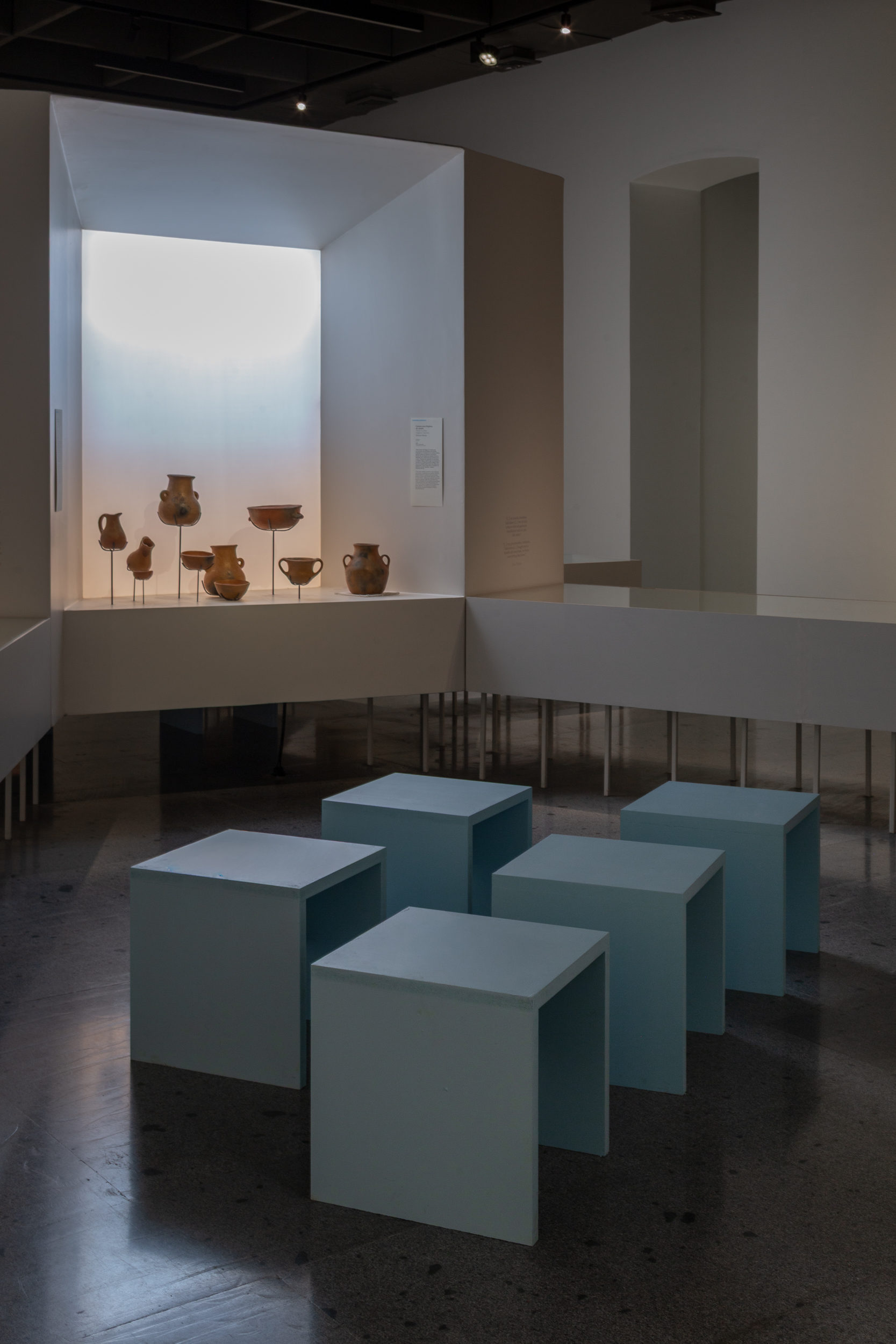
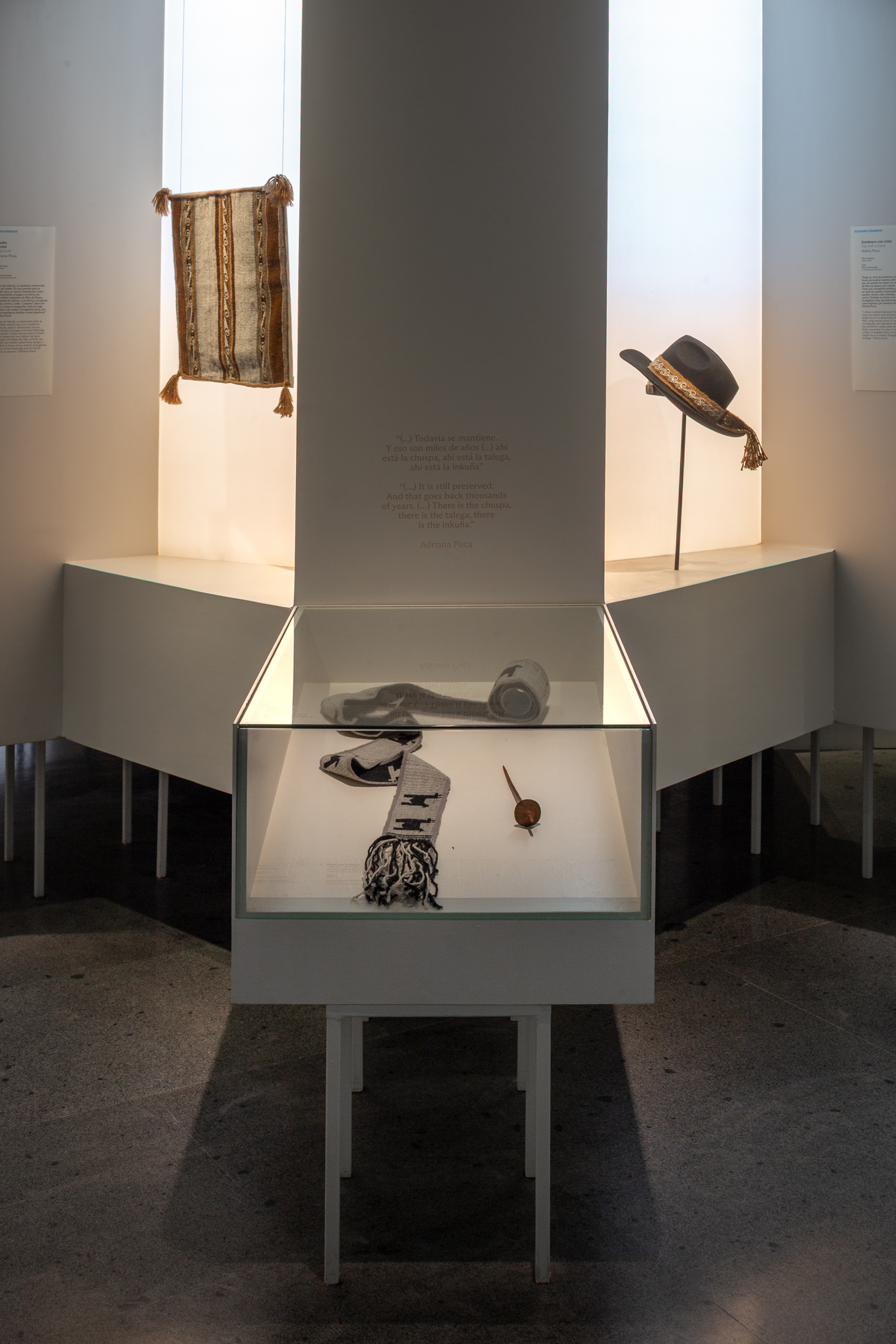
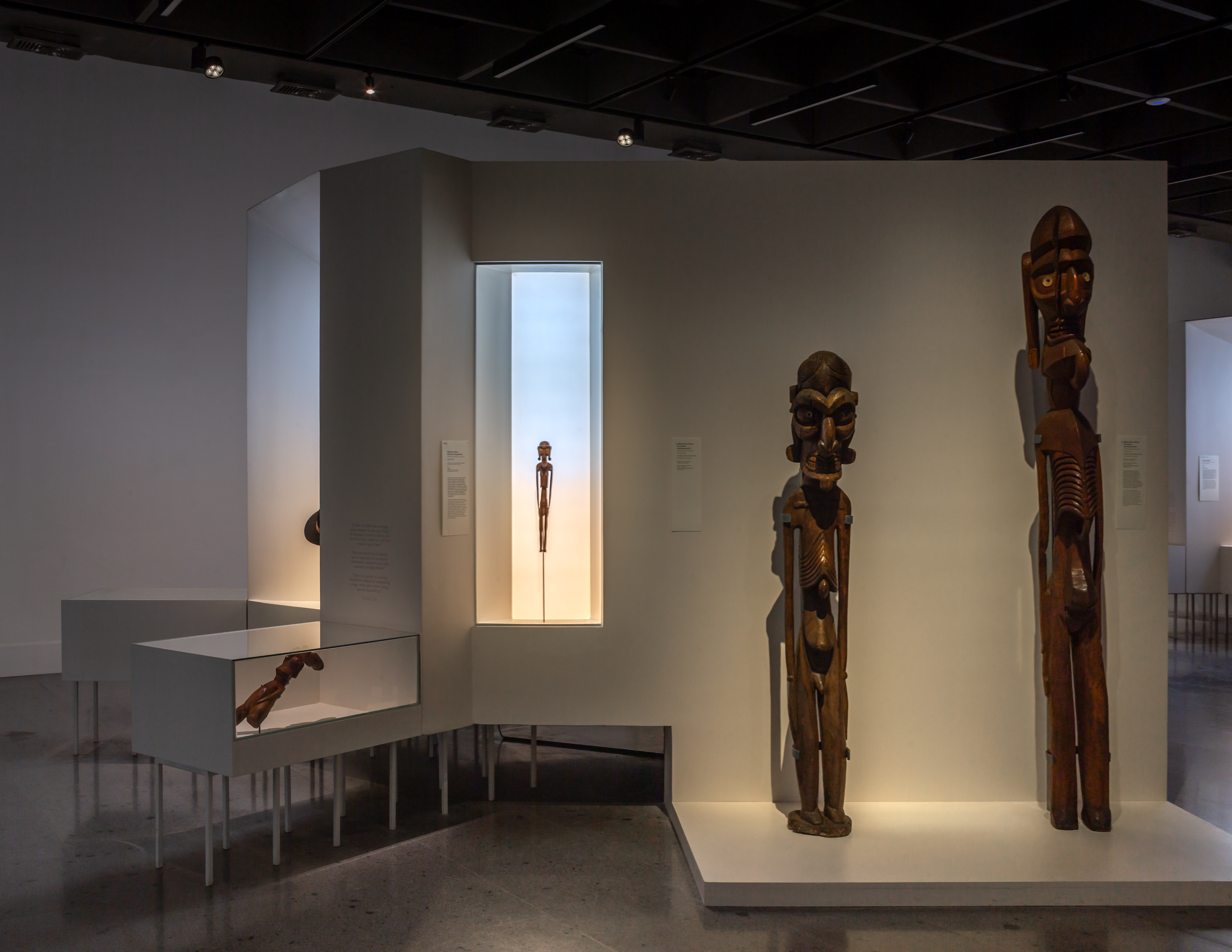
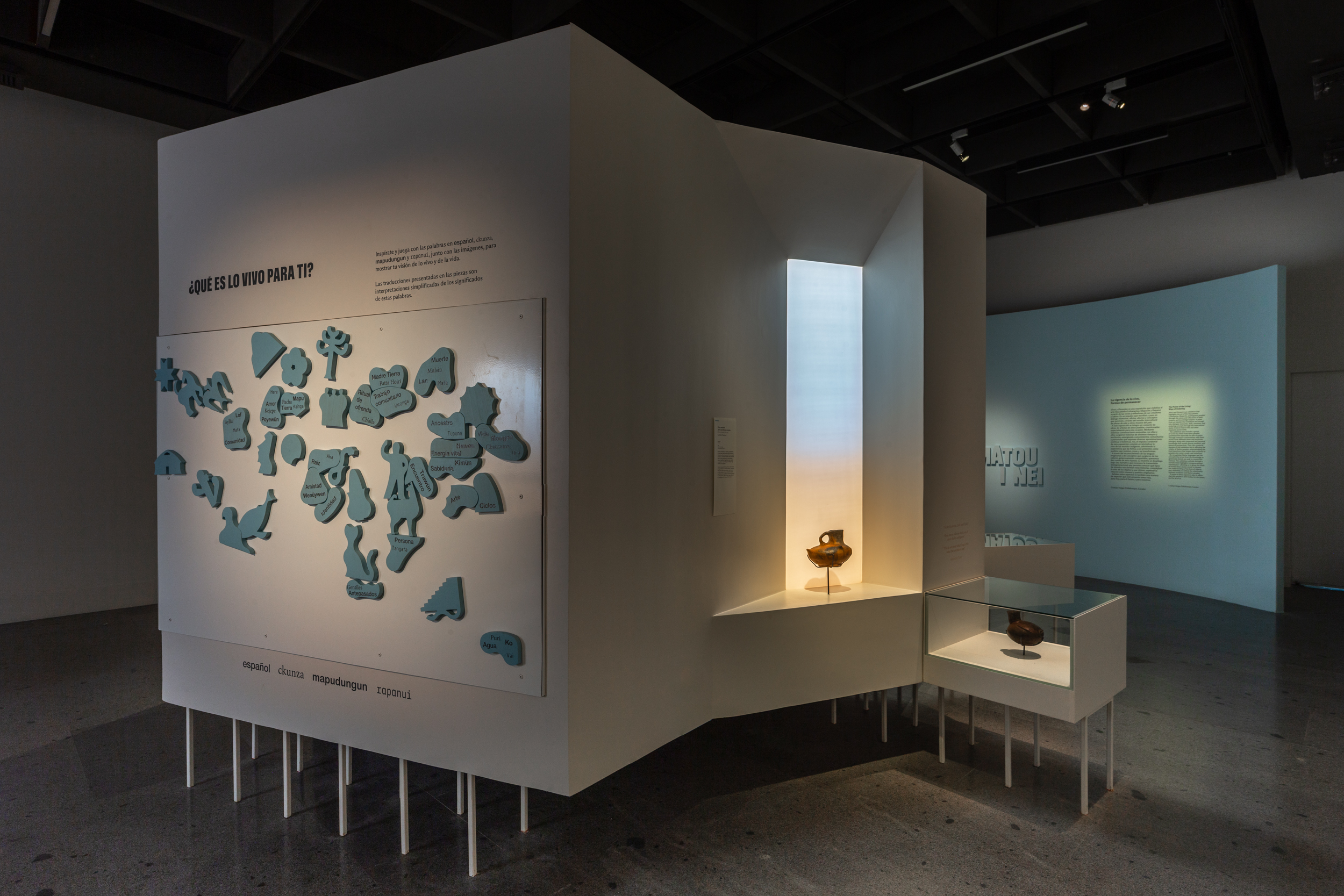
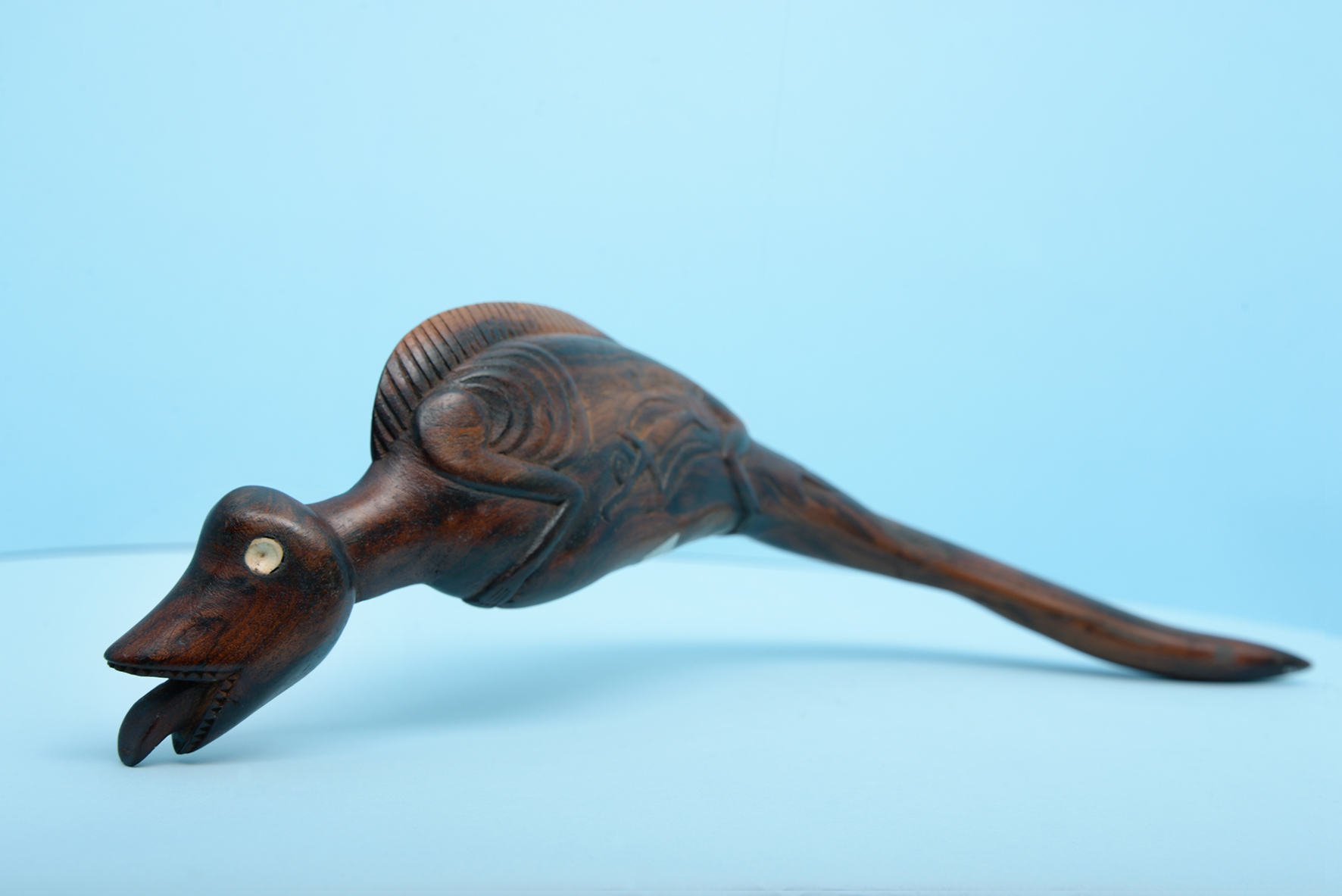
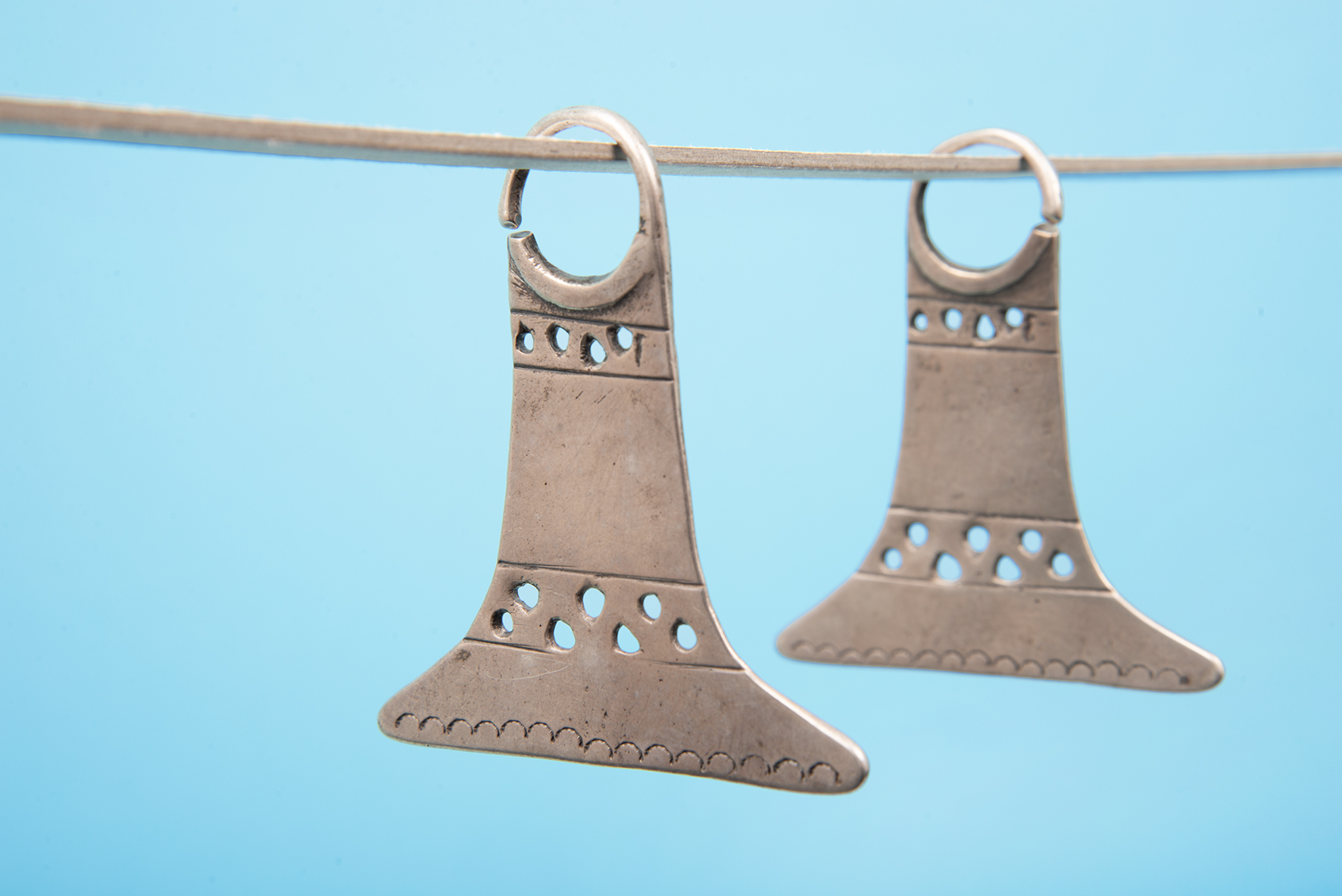
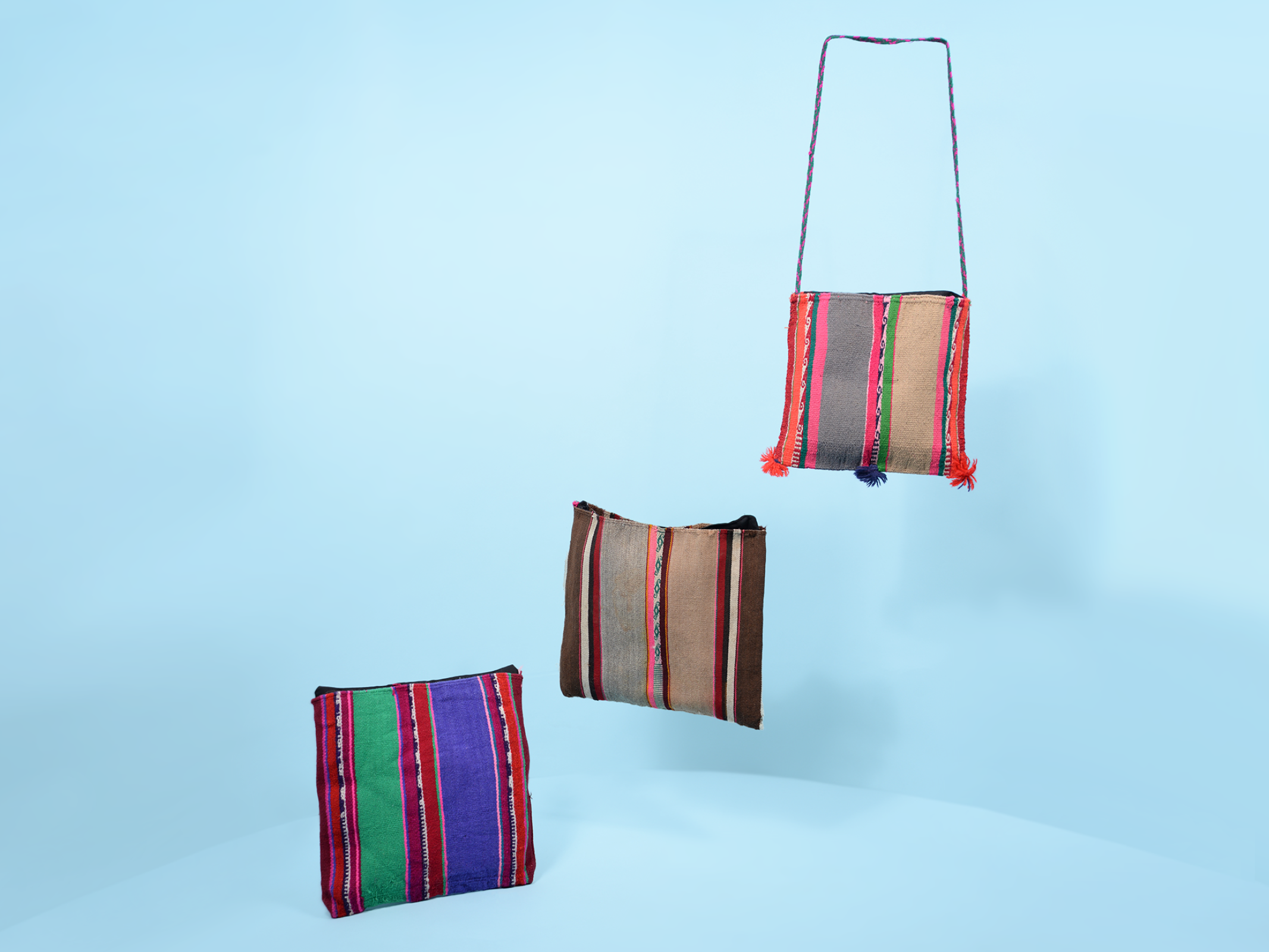
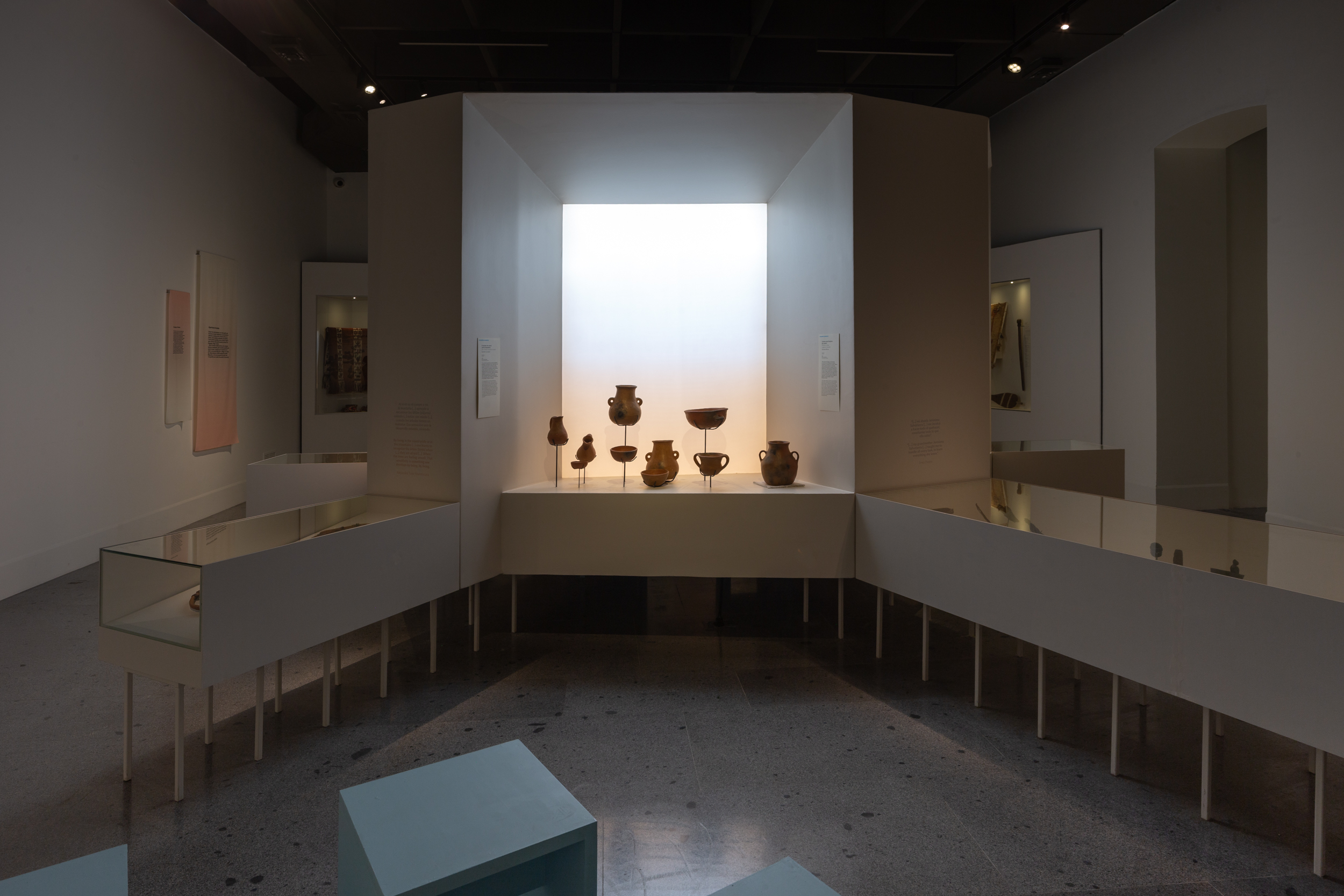
Alive and Present is an exhibition that highlights the art of the Atacameño/Lickanantay, Mapuche, and Rapanui peoples through the voices and reflections of their creators and knowledge keepers. It arises from an impulse that mobilized and brought into dialogue memories, skills, emotions, and enduring concepts through the intercultural study of pieces held in this and other museums across Chile.

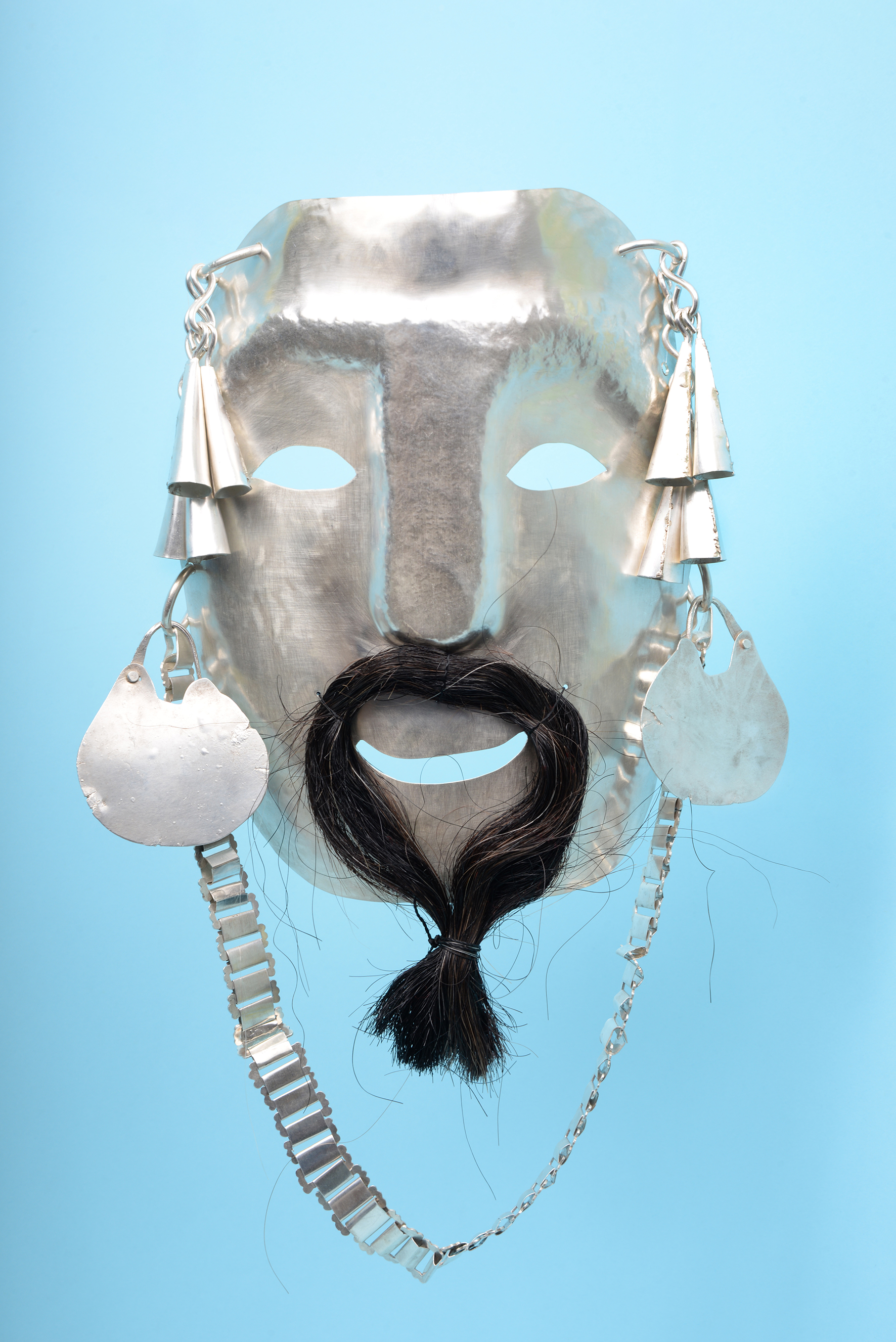
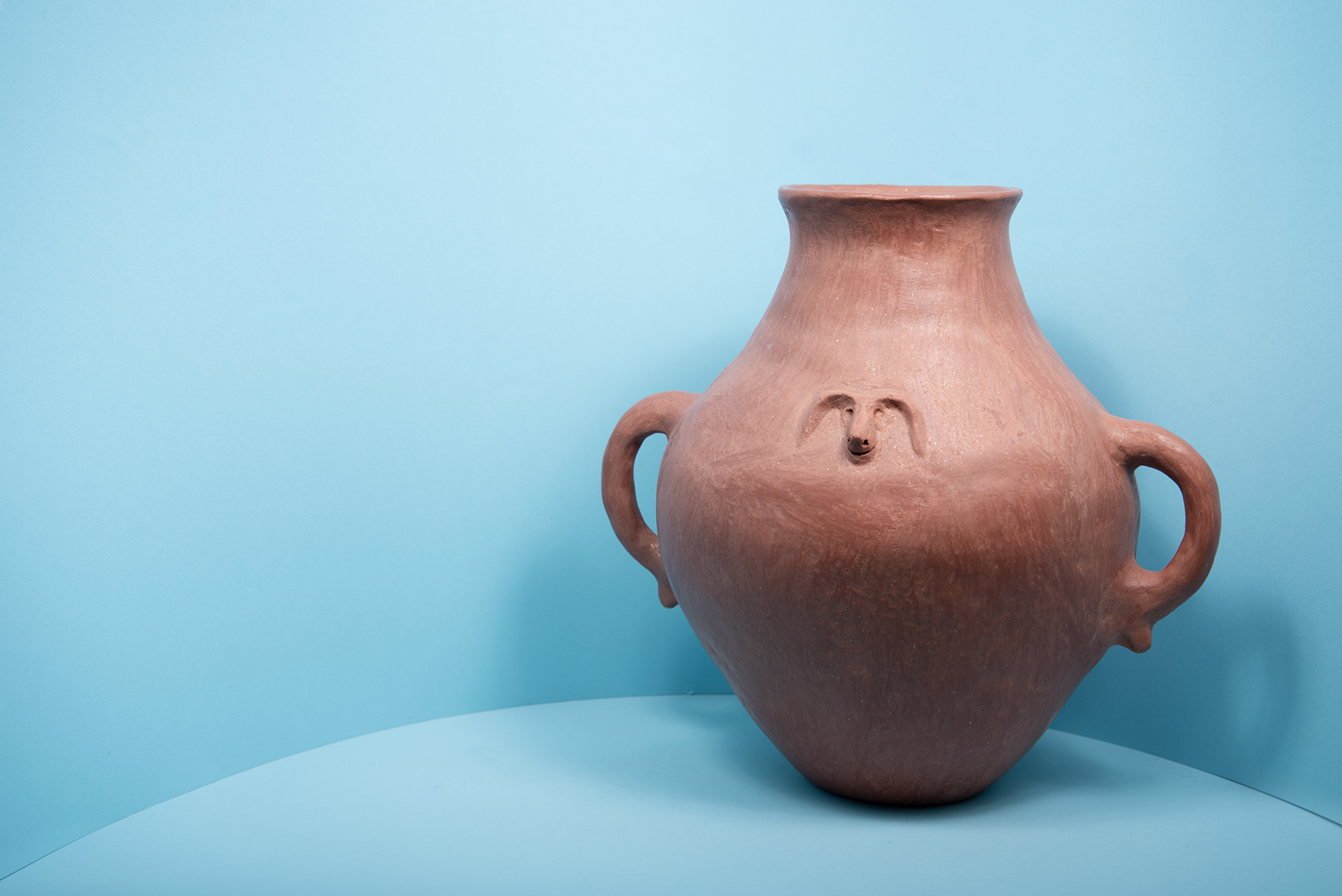
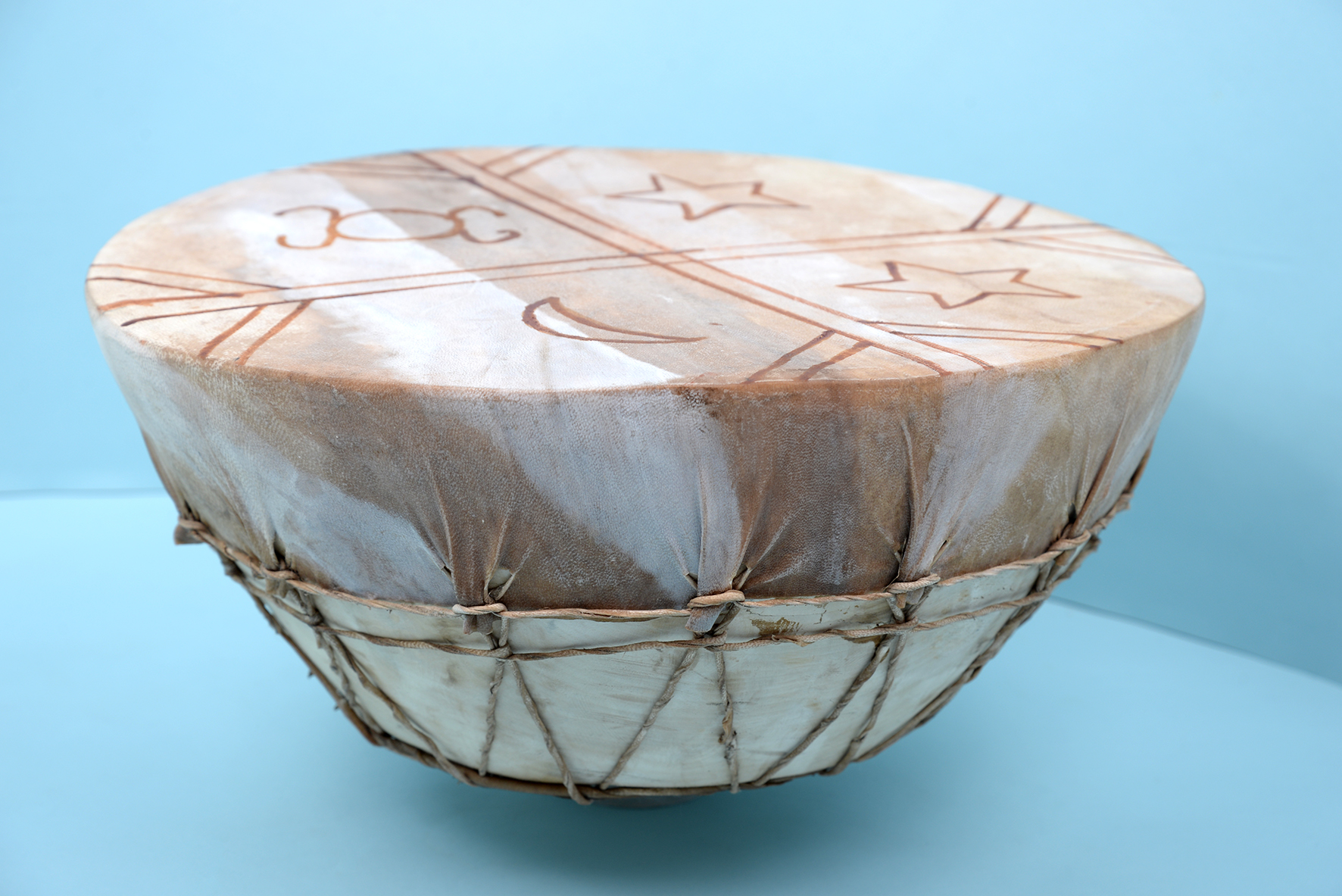
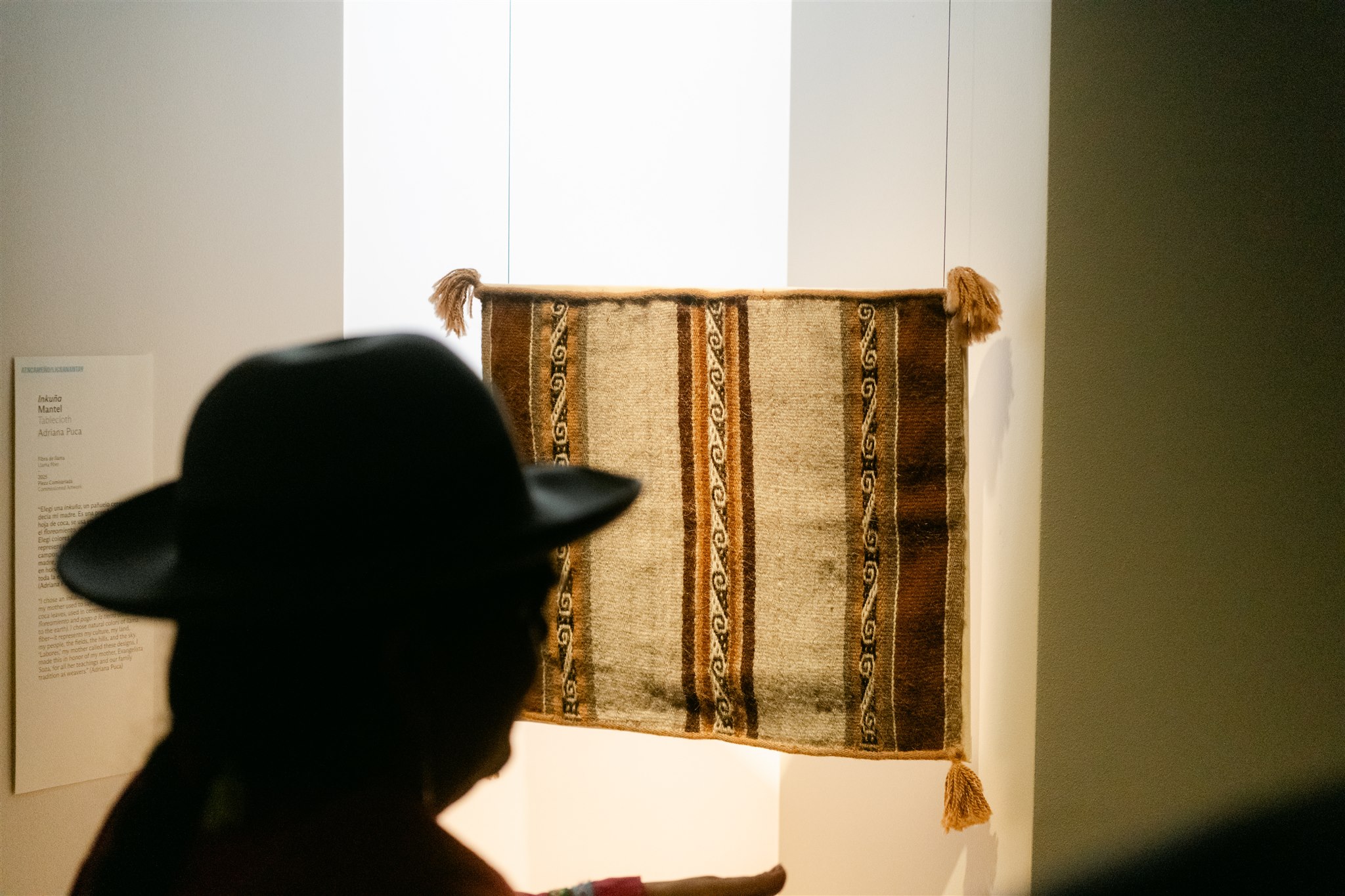
The exhibition also includes a group of works by artists from these peoples, commissioned especially for this occasion. Through extensive conversations with them, stories from different times and territories emerged, along with communal and personal knowledge that reveals diverse aesthetic and historical perspectives. Thus, the curatorial impulse of this exhibition lies in affirming the vitality of native peoples, acknowledging the lived experience that shapes their presents as peoples who resist, create, and transform.

By recognizing native languages and the concepts that arose from the knowledge so generously shared, we seek to convey this richness. The exhibition unfolds through a narrative that highlights intergenerational transmission—allowing us to grasp the kinds of worlds these stories reveal, to deepen our understanding of the lives of objects, and, ultimately, to rethink the relationship between museums and native peoples. To point to these aspects is also to affirm that this present is alive today, for the future, and for all of us.

“This exhibition is an opportunity to share our culture, the richness of our peoples, everything we have to say, and all the symbolism behind each of the pieces.”

— Antonio Chihuaicura, Mapuche rutrafe (silversmith) and artist in the exhibition.

Events

  • Workshop
  • Course
  • Guided tours and talks
  • Exhibitions and other activities
View events
Alive and Present. Art of the Atacameño/Lickanantay, Mapuche, and Rapanui peoples
12/11/2025 to 06/28/2026
10:00 AM – 6:00 PM
Bandera 361, Santiago. Plaza de Armas metro station.
Science and art at the Museo Chileno de Arte Precolombino: Reading the collections from the present
04/08/2026
6:30 PM – 8:30 PM
Bandera 361, Santiago.
Online course: Indigenous art — aesthetics, debate, and reflections from the peoples
05/05/2026 to 05/26/2026
7:00 PM – 9:00 PM
Online event.
Atacameño weaving workshop: Exploring traditional knowledge
05/15/2026 to 05/16/2026
10:00 AM – 12:00 PM
Bandera 361, Santiago. Museo Chileno de Arte Precolombino.
Heritage Days (Días del Patrimonio)
05/30/2026 to 05/31/2026
10:00 AM – 5:30 PM
Bandera 361, Santiago.

Exhibition credits

Alive and Present. Art of the Atacameño/Lickanantay, Mapuche, and Rapanui Peoples.

Exhibition curator
Cristian Vargas Paillahueque
Curatorial research assistant
Constanza Tobar Tapia
Editing of gallery texts
Museo Chileno de Arte Precolombino
Translation of gallery texts
Museo Chileno de Arte Precolombino

MESS team
Rodrigo Tisi, Tomás Soto, Martín Mendoza
Technical installation
HYPE: Nicolás Jorquera, Enrique Shieh, Cristóbal Roselló
Lighting design
Antonia Peon-Veiga
Object mounts
Museo Chileno de Arte Precolombino
Construction and fabrication
Alfa Construmet
Site manager
Rubén Aravena
Technical area
Mauro Vera
Builders
Leonel Núñez, Rodolfo Avendaño, Sebastián Chávez, Marcelo Avendaño, Kevin Avendaño, O'Bryan Lazo, Juan Carlos Chávez, Franco Navarro, Agustín Pérez, Glen Castillo
Visual and exhibition identity
Gaggeroworks: Constanza Gaggero, Alejandra Peralta, Gracia Fernández, Amalia Fernández
Printing and fabrication
Fourmi, Digitart, CNC Studio, Gerson Reyes (Lemond)

Selection and editing
Museo Chileno de Arte Precolombino
Post-production
Chris Chierego, Elvira Reymond
Transcription, translation, and editing in Rapanui
Enerike Ngaara Te Manu Carrasco Hotu, Vaitiare Tuki Rengifo
Transcription, translation, and editing in Mapudungun
Cristian Vargas Paillahueque, Nekul Núñez, Víctor Carilaf, Arturo Ahumada
Transcription and editing in Spanish
Museo Chileno de Arte Precolombino
English translation
Martha Seelenberger

Education and public programs
Natalia Matzner Weisner, Diego Ramírez Marianetti, Marco Cortés Valencia, Museo Chileno de Arte Precolombino
Communications
Museo Chileno de Arte Precolombino
Website
Museo Chileno de Arte Precolombino
Gaggeroworks: Constanza Barrios, Gracia Fernández S, Amalia Fernández S.
AREAweb: Rodrigo Culagovski, Cristián Nahuas
Press management
Ladosur Difusión Cultural
General production coordination
Museo Chileno de Arte Precolombino
Logistics and transport
DECAPACK
Conservation and collections
Museo Chileno de Arte Precolombino
Volunteers
Cristóbal Cornejo, Sol Aravena, Anais Saini, Miguel Martínez, Santiago Puga, Christian Hanglin

Loans of objects

  • Museo Nacional de Historia Natural (MNHN), Santiago, Chile
  • Museo de Historia Natural de Valparaíso (MHNV), Valparaíso, Chile
  • Museo Fonck, Viña del Mar, Chile
  • Victoria Castro Collection, Santiago, Chile
  • Hotu Tuki Family Collection, Rapa Nui
  • Personal Collection of Tomás Tuki

Artists, artisans, and audiovisual testimonies

Cristina Manquepi, Matilde Painemil, Gloria Huenchuleo, Hernán Marinao, José Cayuqueo, Antonio Chihuaicura, Marco Pailamilla, Celinda Huaiquil, Johnny Tucki, Tomás Tuki, Pau Hereveri, Isabel Pakarati, Luisa Terán, Irma Panire, Nolvia Puca, Adriana Puca, Quintín Condori, Dionisia Berna, Juan Cruz, Alejandro Toro Huentecura, Laura Ancavil.